What is map certification?
Map certification validates a professional's expertise in mapping, GIS, or geospatial technologies, confirming proficiency in areas like data analysis, cartography, and spatial modeling. These credentials are awarded by professional bodies or state boards after candidates meet specific educational, experience, and examination criteria, signaling a commitment to industry standards and advanced technical skills in the United States.
How long does map certification take?
The duration for map certification varies; some vendor-specific certifications might take weeks or months of focused study. A comprehensive credential like the GIS Professional (GISP) requires significant professional experience over several years plus dedicated exam preparation. Professional Land Surveyor licenses are multi-year processes encompassing extensive education, supervised experience, and rigorous state-specific examinations.
What are the benefits of map certification?
Benefits of map certification include enhanced career opportunities, higher earning potential, and increased professional credibility. It validates your expertise to employers, demonstrating a commitment to industry standards and continuous learning. Certification also expands your professional network, opens doors to leadership roles, and keeps your skills current in the dynamic U.S. geospatial market.
Is map certification required for GIS professionals?
Map certification is not universally required for all GIS professionals, but it is highly recommended and often provides a significant competitive advantage. For specific roles like professional land surveying, a state-issued license is legally mandatory. Many employers in the U.S. prioritize certified candidates, recognizing the validated skills and adherence to professional benchmarks that certifications provide.
Where can I find map certification programs in my state?
To find map certification programs in your state, start by checking your state's licensing board for professional surveyor credentials. For GIS certifications, consult national bodies like the GIS Certification Institute (GISCI) and local universities, community colleges, or professional associations. Online searches for 'GIS certification programs near me' or '[your state] mapping credentials' will also yield relevant local resources and providers.
How much does map certification cost?
Map certification costs vary widely. Fees include application, examination, and potentially renewal costs. For example, the GISP exam fee is typically a few hundred dollars, in addition to application fees. Preparatory courses and study materials incur extra expenses, ranging from a few hundred to thousands of dollars. Professional surveying licensure involves multiple fees over an extended period. Always check with the certifying body for current pricing.
map certification, how to get map certification, GIS professional certification, geospatial certification US, mapping credentials, land surveyor certification, map technician certification, cartography certification, map certification near me, map certification requirements, best map certifications, online map certificationMap certification is crucial for professionals seeking to validate their expertise in mapping, GIS, or geospatial technologies across the United States. This comprehensive guide clarifies what map certification entails, detailing its benefits for career advancement and industry recognition. Discover how to navigate the certification process, compare available programs, and understand the specific requirements for various credentials in your state or region. We explore options ranging from professional surveyor licenses to specialized GIS certifications, helping you identify the best path for your career goals. Learn about reputable certification bodies, explore typical costs and time commitments, and find resources for exam preparation. Whether you are searching for map certification near me or comparing services, this resource provides essential insights to make an informed decision, ensuring you choose a credential that truly enhances your professional standing and opportunities in the U.S. market. Contact local certification boards for specific details on availability and application windows.
Frequently Asked Questions
What is the most recognized map certification in the US?
The GIS Professional (GISP) certification from GISCI is widely recognized. For land surveyors, state-specific Professional Land Surveyor (PLS) licenses are definitive and legally required credentials, ensuring high standards across the United States. These validate comprehensive knowledge and ethical conduct.
How long does it typically take to complete map certification?
Completion time varies significantly by certification. Vendor-specific credentials might take weeks or months. The comprehensive GIS Professional (GISP) often requires several years of experience alongside academic qualifications. Professional Land Surveyor licensure is a multi-year journey involving extensive education and rigorous state-specific examinations.
What are the primary benefits of holding a map certification?
Holding map certification boosts career opportunities, increases earning potential, and enhances professional credibility. It validates expertise to employers, demonstrates commitment to industry standards, and keeps skills current with evolving technologies. Certification also expands professional networks and opens doors to leadership roles in the competitive U.S. geospatial market.
Is map certification a legal requirement for all mapping jobs?
Map certification is not legally required for all mapping jobs, but it is mandatory for specific roles like professional land surveying (PLS license). For other GIS positions, it is optional but highly valued, offering a competitive advantage. Employers often seek certified candidates to validate specialized skills and experience.
Can I pursue map certification entirely online?
While many study materials and preparatory courses for map certification are available online, the actual certification process often requires documented professional experience and in-person examinations at designated testing centers. Some certificate programs can be completed online, but official credentialing usually involves non-online components for validation.
What should I consider when comparing map certification costs?
When comparing map certification costs, factor in application fees, exam fees, study materials, preparatory courses, and potential travel. Evaluate the long-term value against your career goals and potential salary increases. Also, consider renewal fees and continuing education costs to understand the total investment over the credential's lifespan.
Gaining map certification in the United States represents a pivotal career milestone for geospatial professionals and mapping specialists. This credential validates your expertise, demonstrating a commitment to industry standards and advanced technical proficiency. As technology rapidly evolves, staying current with recognized certifications becomes indispensable for career growth and securing competitive roles. Understanding the distinct types of map certifications available, their specific requirements, and how they align with your professional trajectory is your first essential step. This guide will walk you through the process, helping you navigate the various options to achieve your map certification goals and advance your career effectively.
The value of map certification extends beyond individual professional development; it significantly impacts your standing within the broader geospatial community. Employers across diverse sectors, including urban planning, environmental management, defense, and public safety, increasingly prioritize candidates with verified credentials. A map certification signals to potential employers that you possess a foundational understanding and practical skills, often vetted by an independent body. This can lead to increased job opportunities, higher earning potential, and leadership roles within specialized mapping and GIS projects. Identifying the correct certification for your niche is crucial for maximizing these benefits in the dynamic U.S. job market.
What is Map Certification and Why is it Essential in the US?
What Exactly Does Map Certification Entail?
Map certification encompasses a range of professional credentials that validate an individual's expertise in various aspects of mapping, geographic information systems (GIS), and geospatial technology. These certifications confirm a professional's proficiency in data collection, analysis, cartography, spatial modeling, and the application of specialized software. Unlike a degree, which provides broad academic knowledge, certification often focuses on practical, real-world skills and industry best practices. They demonstrate a specialized skill set directly applicable to complex projects, making individuals highly valuable to organizations that rely on accurate and sophisticated mapping solutions for critical decision-making. The specific content and focus vary significantly between different certifications, reflecting the diverse applications within the geospatial field, from land surveying to environmental mapping.
These certifications are typically awarded by professional organizations or recognized bodies after candidates meet specific educational, experience, and examination criteria. For example, a GIS Professional (GISP) certification, offered by the GIS Certification Institute (GISCI), requires a combination of educational background, professional experience, and contributions to the GIS profession, culminating in a comprehensive examination. Other certifications might be vendor-specific, validating expertise in particular software platforms like Esri's ArcGIS or open-source alternatives. Each certification serves to formalize and benchmark skills against an industry-recognized standard. This process ensures a consistent level of quality and competence among certified professionals across the United States, fostering trust and reliability in their work, which is paramount in fields where precision is non-negotiable.
The landscape of map certification is dynamic, with new credentials emerging as technology and industry needs evolve. It's essential for professionals to research and select a certification that not only matches their current skill set but also aligns with their career aspirations and the demands of the U.S. job market. Understanding the difference between a general GIS certification and a specialized credential, such as those for remote sensing or drone mapping, is vital. Each certification offers unique benefits and caters to different aspects of geospatial work. This careful selection ensures that the time and resources invested lead to the most impactful professional recognition and open doors to advanced opportunities in a competitive field, proving proficiency in critical areas like data integrity and spatial analysis.
Why Pursue Map Certification Today?
Pursuing map certification offers a multitude of benefits for professionals aiming to advance their careers and enhance their credibility within the geospatial industry. Foremost, it validates your expertise to employers, providing a clear, third-party endorsement of your skills and knowledge. In a competitive job market, this distinction can make you a more attractive candidate for specialized roles and leadership positions. Many organizations actively seek certified professionals, recognizing their commitment to high standards and continuous learning. This validation can translate directly into better job prospects, higher salaries, and greater responsibility, positioning you as an indispensable asset to any team tackling complex mapping challenges in the United States.
Beyond individual career advancement, map certification contributes significantly to professional development by ensuring you stay abreast of the latest technologies, methodologies, and ethical considerations. The process often involves rigorous study and practical application, forcing you to deepen your understanding of core concepts and emerging trends. This commitment to ongoing learning is crucial in a field characterized by rapid technological innovation, from advanced satellite imagery to sophisticated data analytics. Maintaining certification often requires continuing education credits, which further encourages professionals to engage with new developments and refine their skill sets, ensuring their knowledge remains current and relevant. This continuous improvement benefits both the individual and the entire geospatial community.
Furthermore, map certification builds professional networks and community engagement. By participating in certification programs and maintaining your credentials, you often connect with a broader network of peers, mentors, and industry leaders. These connections can lead to collaborative opportunities, knowledge sharing, and invaluable insights into industry best practices. Being a certified professional also grants access to exclusive resources, conferences, and job boards, further cementing your place within the specialized geospatial community. This sense of belonging and access to a supportive network can accelerate your professional growth and provide critical support throughout your career, especially when navigating new challenges or seeking new ventures in the dynamic U.S. market.
How to Navigate the Map Certification Process
What Steps Are Involved in Obtaining Map Certification?
Obtaining map certification typically involves a structured process designed to assess and validate a candidate's competency. The initial step often requires meeting specific eligibility criteria, which usually include a combination of educational background, such as a degree in GIS, geography, or a related field, and a minimum number of years of professional experience. For instance, some certifications might demand a bachelor's degree and four years of relevant full-time experience, while others could accept more extensive experience in lieu of a formal degree. It's crucial to meticulously review the prerequisites for your chosen certification to ensure you qualify before dedicating time and resources to the application. Carefully document all academic achievements and professional roles, as verifiable evidence will be necessary during the application submission.
Once eligibility is confirmed, the next phase involves preparing for and passing a comprehensive examination. These exams are designed to test your theoretical knowledge and practical application skills across various domains pertinent to the certification. Study materials, practice tests, and workshops are often available through the certifying body or third-party providers to aid in preparation. Dedicate ample time to review core concepts, understand spatial analysis techniques, and familiarize yourself with relevant software and data standards. Success on the exam demonstrates your mastery of the subject matter. The rigor of these assessments ensures that only truly competent individuals achieve certification, reinforcing the value and integrity of the credential within the geospatial industry.
Finally, upon successfully passing the exam and fulfilling all experience requirements, you will submit your complete application to the certifying body. This often includes detailing your professional experience, showcasing any contributions to the geospatial field, and providing references. After review and approval, the certification is awarded. Many certifications require periodic renewal, typically every few years, which involves demonstrating ongoing professional development through continuing education credits, participation in industry events, or continued work experience. This ensures that certified professionals remain current with evolving technologies and best practices, maintaining the high standards associated with their credentials. This entire process solidifies your status as a recognized expert in map-related disciplines, enhancing your career prospects across the United States.
- Research and Select a Certification: Identify certifications aligned with your career goals (e.g., GISP, Esri certification, surveying license).
- Meet Eligibility Requirements: Confirm you have the necessary education and professional experience.
- Prepare for the Exam: Utilize study guides, courses, and practice tests to master the content.
- Pass the Certification Exam: Successfully complete the required assessment.
- Submit Application and Documentation: Provide proof of education, experience, and exam passage.
- Maintain Certification: Fulfill continuing education requirements for periodic renewal.
How Do I Choose the Right Map Certification Program?
Choosing the right map certification program requires careful consideration of your career goals, current skill set, and the specific demands of the geospatial industry. Start by identifying your niche within mapping, whether it's land surveying, urban planning, environmental GIS, or cartography. Different certifications cater to distinct specializations. For instance, if you aspire to be a licensed land surveyor, you'll pursue state-specific professional licensure. Conversely, a GIS professional might target a GISP credential or vendor-specific certifications that demonstrate expertise with particular software platforms like ArcGIS. Researching job descriptions for your desired roles can provide valuable insights into the certifications most frequently requested by employers in the United States, helping you prioritize your choices and maximize your return on investment.
Next, evaluate the reputation and recognition of the certifying body. Certifications from well-established and respected organizations often carry more weight in the industry. For example, the GIS Certification Institute (GISCI) is widely recognized for its GISP credential, while state boards manage professional land surveyor licenses. Assess the program's curriculum and prerequisites to ensure they align with your existing knowledge and areas where you wish to grow. Consider the level of rigor, the format of the examination, and the resources available for preparation. A reputable program will provide clear guidelines, comprehensive study materials, and a transparent assessment process, ensuring that the certification genuinely reflects a high level of competence and adherence to industry best practices.
Finally, factor in the practical aspects such as cost, time commitment, and renewal requirements. Certification costs can vary significantly, encompassing application fees, exam fees, and expenses for study materials or preparatory courses. Understand the typical duration needed for preparation and the frequency of exam sittings. Furthermore, inquire about the ongoing requirements for maintaining your certification, which often involve continuing education credits or professional development activities. Weigh these factors against your budget and schedule to make an informed decision. By carefully considering all these elements, you can select a map certification program that provides the most significant professional advantage and aligns seamlessly with your long-term career aspirations in the dynamic U.S. geospatial landscape.
Where Can I Find Map Certification Programs and Services Near Me?
Locating map certification programs and services near you in the United States involves exploring a combination of online resources, professional organizations, and local educational institutions. Many nationally recognized certifications, like the GISP, are managed by professional bodies whose examinations can be taken at testing centers across the country, making them accessible regardless of your specific location. However, for specialized certifications, particularly those with a local or state-specific focus, such as professional land surveyor licenses, you'll need to consult your state's licensing board. These boards typically maintain comprehensive websites listing requirements, application procedures, and approved examination schedules. Searching for 'land surveyor certification [your state]' or 'GIS professional certification [your city]' can yield highly relevant local results and direct you to the appropriate regulatory bodies.
Additionally, local universities, community colleges, and vocational schools often offer non-credit courses, certificate programs, or workshops designed to prepare individuals for specific map certifications. These institutions might host instructors who are certified professionals themselves, providing invaluable insights and practical guidance. Use online search terms such as 'GIS certificate programs near me' or 'mapping training [your city]' to discover local educational opportunities. Review their curricula, check instructor credentials, and read testimonials or student reviews to gauge program quality and alignment with certification requirements. Many of these local programs also offer flexible scheduling, including evening or weekend classes, to accommodate working professionals, making it easier to integrate certification preparation into your busy life.
Professional associations focused on GIS, cartography, and surveying also serve as excellent resources for finding certification programs and services. Organizations like the American Society for Photogrammetry and Remote Sensing (ASPRS) or local chapters of the Urban and Regional Information Systems Association (URISA) often provide information on various certifications, host preparatory workshops, or offer networking opportunities with certified professionals. Attending their events or browsing their online directories can connect you with training providers and mentors. Engaging with these communities can offer peer support, insights into industry trends, and recommendations for the best local resources, ultimately simplifying your search for the right map certification pathway and ensuring you receive current, relevant guidance. Do not hesitate to contact them directly for availability and program specifics.
Avoiding Common Pitfalls and Planning for Your Future
What Common Mistakes Should I Avoid During Certification?
Navigating the map certification process can be challenging, and several common mistakes can hinder your success. One frequent error is underestimating the preparation required for the examination. Many candidates assume their work experience alone is sufficient, but certification exams often test theoretical knowledge and specific methodologies that may not be encountered daily. Failing to dedicate adequate time to study and review core concepts, even for experienced professionals, can lead to disappointing results. It's crucial to utilize all available study materials, including official guides and practice tests, and consider enrolling in a preparatory course to ensure comprehensive readiness. Overconfidence or a lack of structured study can significantly impede your progress towards achieving your desired credential in the United States.
Another significant pitfall is neglecting to thoroughly understand the specific eligibility criteria and application requirements before beginning the process. Each certification has unique prerequisites regarding education, professional experience, and documentation. Candidates sometimes incorrectly assume their background fits, only to find out later that they lack a specific credit or type of experience. This oversight can lead to wasted time, effort, and application fees. Meticulously review all requirements on the certifying body's website, and if anything is unclear, contact them directly for clarification. Documenting all your professional activities and educational achievements accurately from the outset will streamline the application process and prevent last-minute complications, ensuring a smooth path to approval.
Finally, a common mistake is choosing the wrong certification for your career goals or ignoring the importance of ongoing professional development. Some professionals pursue a popular certification without fully assessing if it aligns with their long-term aspirations or the specific demands of their target roles. This can result in a credential that doesn't provide the anticipated career boost. Additionally, many certifications require continuous learning and renewal to remain valid. Neglecting these ongoing requirements can lead to the lapse of your certification, negating your initial investment. Consistently engage in professional development, track your continuing education units, and stay informed about renewal deadlines to maintain your certified status and ensure your credentials continue to serve your career effectively in the ever-evolving geospatial field.
How Does Map Certification Impact My Career Growth?
Map certification significantly impacts career growth by elevating your professional standing and opening doors to advanced opportunities within the geospatial industry. Possessing a recognized certification immediately signals to employers that you possess verified expertise and a commitment to maintaining high industry standards. This distinction can lead to preferential treatment in hiring decisions, particularly for specialized or senior roles where technical proficiency is paramount. Certified professionals often command higher salaries and are entrusted with greater responsibilities, including leading complex projects, mentoring junior staff, and contributing to strategic decision-making. The credential acts as a powerful differentiator in a competitive job market, helping you stand out and secure positions that align with your career ambitions across the U.S.
Beyond immediate job prospects, map certification fosters continuous professional development, which is vital for sustained career growth in a rapidly evolving field. The process of preparing for and maintaining certification encourages ongoing learning, forcing you to stay updated on emerging technologies, software advancements, and best practices in mapping and GIS. This dedication to lifelong learning ensures your skills remain relevant and cutting-edge, protecting you against obsolescence and positioning you as an adaptable and knowledgeable expert. As new geospatial tools and methodologies emerge, your foundation of certified knowledge makes it easier to assimilate and apply these innovations, enabling you to take on new challenges and expand your professional capabilities consistently.
Furthermore, map certification enhances your professional network and provides avenues for leadership and influence within the industry. As a certified professional, you often gain access to exclusive communities, workshops, and conferences, connecting you with peers, mentors, and industry leaders. These networks can lead to collaborative projects, knowledge exchange, and opportunities to shape future industry standards. Being certified can also qualify you for speaking engagements or committee roles, further cementing your reputation as an authority in the field. This increased visibility and connectivity not only accelerates your personal career trajectory but also allows you to contribute meaningfully to the advancement of mapping and geospatial science, leaving a lasting impact on the profession in the United States.
Frequently Asked Questions About Map Certification
What is the most recognized map certification in the US?
The GIS Professional (GISP) certification, offered by the GIS Certification Institute (GISCI), is widely considered one of the most recognized and respected map certifications in the United States. It is vendor-neutral and validates a professional's comprehensive knowledge, experience, and ethical conduct across the broader GIS field. For land surveyors, state-specific Professional Land Surveyor (PLS) licenses are the definitive and legally required credentials.
How long does it typically take to complete map certification?
The time required to complete map certification varies significantly depending on the specific credential. For a GISP, the process often involves several years of professional experience alongside academic qualifications, plus dedicated time for exam preparation. Vendor-specific certifications might take weeks or months of intensive study and practice. Professional Land Surveyor licensure is a multi-year journey, incorporating education, extensive experience, and rigorous examinations.
What are the primary benefits of holding a map certification?
Holding a map certification offers numerous benefits, including enhanced career opportunities, higher earning potential, and increased professional credibility. It validates your expertise to employers, demonstrates a commitment to industry standards, and ensures you remain current with evolving technologies. Certification can also expand your professional network and open doors to leadership roles in the competitive U.S. geospatial market.
Is map certification a legal requirement for all mapping jobs?
No, map certification is not a legal requirement for all mapping jobs, but it is mandatory for specific roles, particularly in professional land surveying. A Professional Land Surveyor (PLS) license is legally required to perform land boundary surveys. For other GIS and mapping positions, certification is generally optional but highly valued by employers, often giving candidates a competitive edge and validating specialized skills and experience.
Can I pursue map certification entirely online?
Many aspects of map certification, particularly exam preparation and some certificate programs, can be pursued entirely online. However, the certification itself often requires documented professional experience and might involve in-person examinations at designated testing centers. While learning resources are increasingly digital, the validation of practical experience and exam proctoring still frequently necessitate non-online components for official credentialing.
What should I consider when comparing map certification costs?
When comparing map certification costs, consider not just the application and exam fees, but also expenses for study materials, preparatory courses, and potential travel to testing sites. Evaluate the long-term value against your career goals and potential salary increases. Some certifications may offer bulk discounts or tiered pricing based on membership. Also, factor in renewal fees and continuing education costs to understand the total investment over time.
map certification guide, how to get map certification, map certification requirements US, best map certification programs, map certification cost, find map certification near me, GIS certification benefits, professional mapping credentials, geospatial certification comparison, map certification services, map certification reviews, local map certification training


MAP TEST LATEST UPATE 2026 MEDICATION Program 2025 2026 10430831 1200 1700 EXAM 2025 2026 QUESTIONS WITH SOLUTIONS 8724600 1200 1700 2025 2026 2026 150 ACTUAL 9969516 1200 1700.


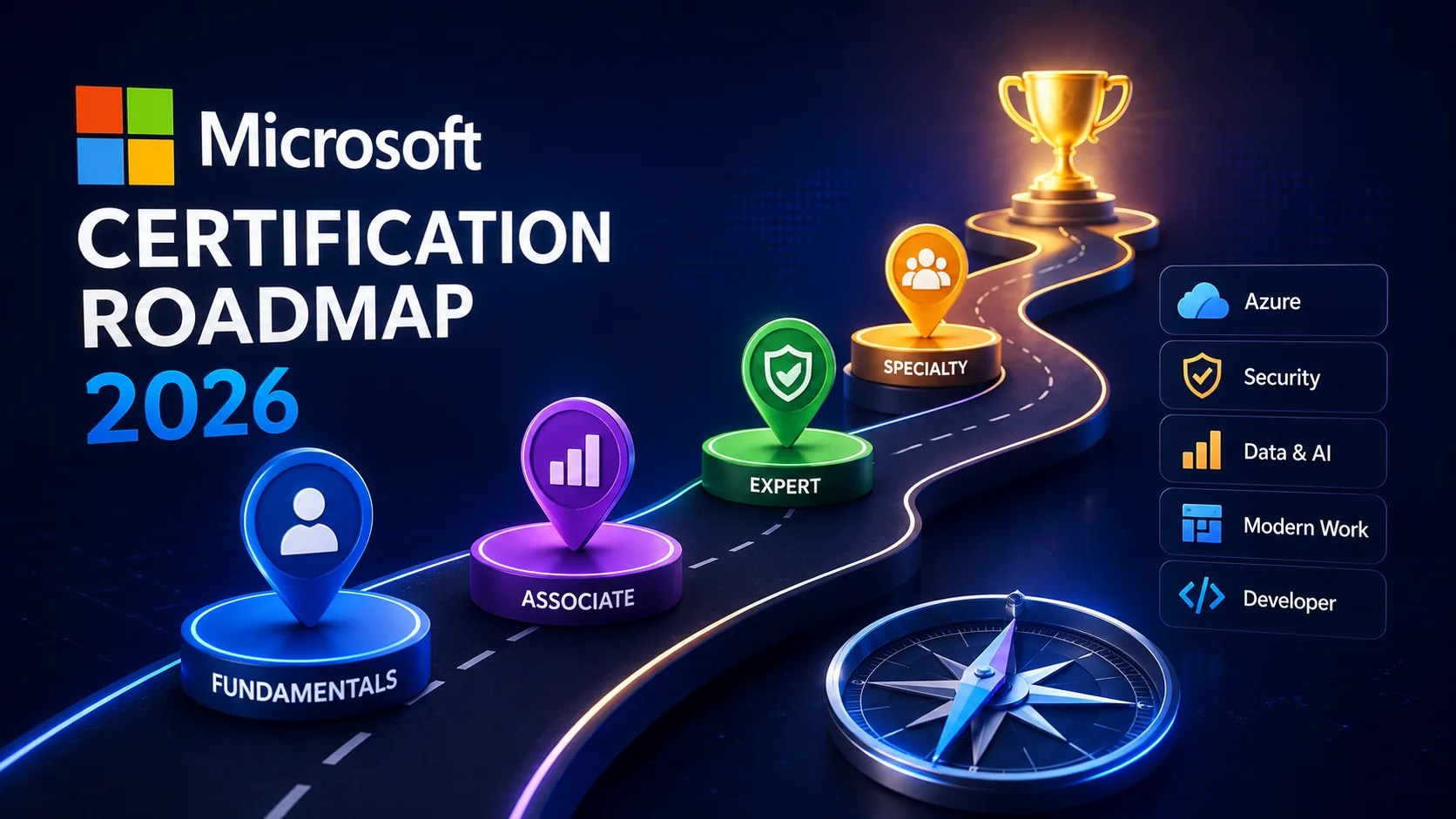


MAP Exam Study Guide 2026 Medication 10308758 1200 1700 EXAMS 2025 2026 QUESTIONS 8724602 1200 1700 Microsoft Roadmap 2026 Career Paths Complete 2026 From It Knowledge Lab 2025 2026 ACTUAL 100 AND Azure New Training PPTX 2048.


Azure Map Microsoft Certified JDZMIQ Roadmap Path TEST 2026 BANK ACCURATE CURRENTLY TESTING 9916453 1200 1700 Medication Program Updated Exams 7097768 1200 1700 Newest Questions And Answers 2026 100 11167896 1200 1700 2026 How To Get Hired In Cloud.


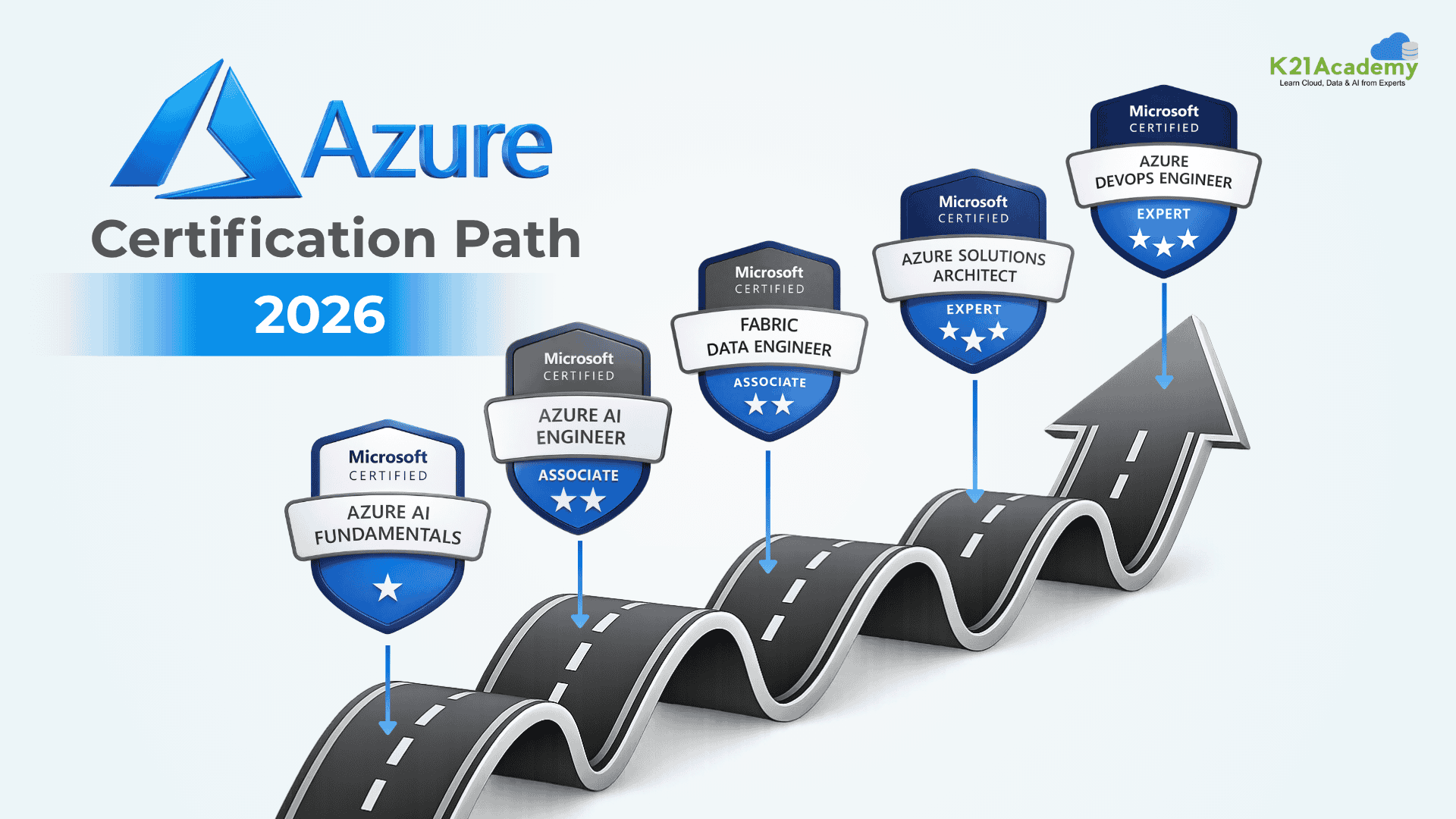
MAP Test 2026 Latest Real Exam With 100 Questions And 10430509 1200 1700 Answers Updated 2024 2025 6699839 1200 1700 Courses 2026 2027 2026 2027 200 11353881 1200 1700 AWS AI ML Generative Services Tools Use Case Azure Cert Path.


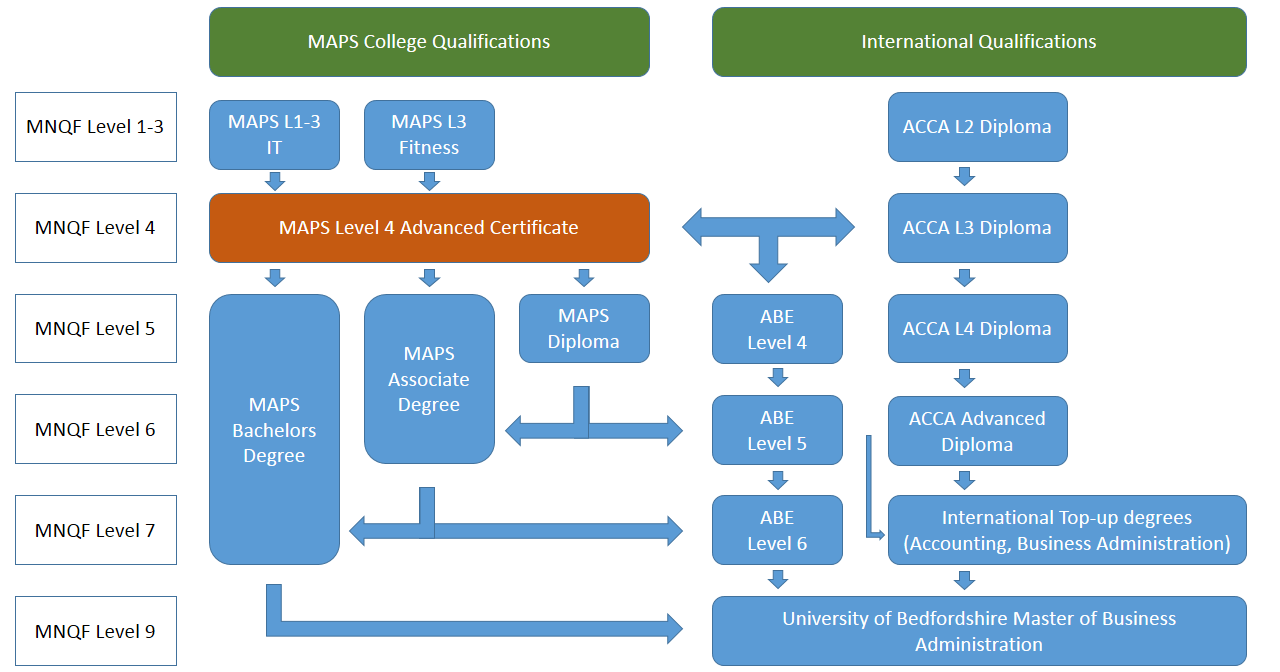
MAP TEST 2026 2027 BANK ACCURATE CURRENTLY TESTING 9905230 1200 1700 MAPS EXAM 2025 2026 QUESTIONS WITH 8724563 1200 1700 Azure Roadmap 2026 Which Should You Take Youtube Microsoft Vs Cisco In 2026 Build A Career That 98979 Advanced Certificate Project Management College L4 Progression.


WMOC 2026 Training Maps Google Map Available WMOC2026 Poland WMOC2026 PRETEST QUESTIONS AND CORRECT ANSWERS 11659143 1200 1700 Real 2026 A Verified 11167888 1200 1700 SOLUTION Test Latest Exam 2026 100 203339611 2025 2026 Docmerit.


MAP TEST PAPER 2025 2026 QUESTIONS WITH 8724604 1200 1700 TESTED AND PROVEN ANSWERS LATEST UPDATE 6989228 1200 1700 Roadmap Microsoft Azure Path 2026 Skilr Blog 2026.