How do I reveal the entire map in Metroid Zero Mission?
To reveal the entire map in Metroid Zero Mission, you must activate all Map Stations located in each major area of Zebes. Additionally, explore every single room and corridor. Hidden passages often require using bombs, missiles, or the Screw Attack to break concealed blocks, revealing new sections. Persistent exploration and strategic use of your abilities will unveil all map segments.
Where are Map Stations located in Metroid Zero Mission?
Map Stations are typically found in the central or early sections of each major area of Zebes, such as Crateria, Brinstar, Norfair, and Ridley's Lair. They are often placed along the critical path or in easily accessible side rooms. Keep an eye out for a distinct terminal-like structure; interacting with it reveals the entire local sector on your map.
How do I find hidden items using the Metroid Zero Mission map?
To find hidden items using the map, look for any suspicious gaps or unrevealed single blocks adjacent to visited rooms. These often indicate destructible walls, floors, or ceilings hiding power-ups. Use bombs, missiles, or Power Bombs in these suspicious areas. The map helps you pinpoint potential secret locations for thorough item collection.
What is the best map for Metroid Zero Mission completionists?
For completionists, the in-game map itself, fully revealed through exploration and Map Stations, is the best tool. Supplement this with a keen eye for unmapped segments and an understanding of Samus's abilities. Online fan-made 100 percent completion maps or walkthroughs can also provide precise locations for elusive items and secret rooms, if you need extra guidance.
Does Metroid Zero Mission have an X-Ray Scope equivalent for maps?
Yes, Metroid Zero Mission features the X-Ray Scope as a late-game item. Once acquired, it allows Samus to see through certain walls and floors, revealing destructible blocks and hidden paths that might lead to unmapped areas or secret items. This tool is invaluable for uncovering the final, most elusive secrets on your quest for 100 percent map completion.
Metroid Zero Mission map, Zero Mission map completion, how to get 100 Metroid Zero Mission, Zero Mission hidden items map, Metroid Zero Mission map download, Metroid Zero Mission area mapsUnlock the full potential of your Metroid Zero Mission adventure by understanding how to effectively use and complete the in-game map. This comprehensive guide helps US players navigate Zebes, discover hidden areas, and pinpoint every crucial item. Learn where to locate map stations, decipher area layouts, and strategically explore each sector for 100 percent completion. Understanding the map is essential for progression, uncovering secrets, and mastering the game's intricate design, ensuring no valuable power-up or path remains undiscovered. Optimize your gameplay, make informed decisions about your exploration path, and maximize your journey through this classic GBA title with expert map guidance.
Frequently Asked Questions
What is the fastest way to get a full map in Metroid Zero Mission?
The fastest way to get a full map is to prioritize activating Map Stations in each major area. These terminals instantly reveal large sections of the map. Complement this by thoroughly exploring every room and using your abilities like bombs or missiles to uncover hidden paths and one-way passages quickly.
Are there secret rooms not shown on the Metroid Zero Mission map?
Initially, many secret rooms are not shown on the map until you break through a hidden block or entrance. The map then updates to include them. Look for suspicious gaps in the map or use the X-Ray Scope to reveal these concealed areas, crucial for finding power-ups.
How can I tell if a map section in Zero Mission is 100 percent complete?
A map section is 100 percent complete when every single pixel representing a room or corridor is colored blue, indicating you have visited it. There should be no greyed-out areas or blank spaces remaining. A truly complete map shows no unrevealed edges or hidden pockets.
Do items on the map mean I found everything in a room?
No, an item icon on the map simply indicates a key item is present or was present in that room. It doesn't guarantee you've found every hidden block or secret passage within that room. Thoroughly check walls, floors, and ceilings even after collecting an item.
Where can I download a Metroid Zero Mission map?
While the in-game map is primary, numerous gaming websites and fan communities offer detailed, complete maps of Metroid Zero Mission for download. These often highlight item locations, secret passages, and 100 percent completion routes, serving as valuable supplementary guides for players.
What happens if I miss a Map Station in Metroid Zero Mission?
Missing a Map Station means that particular area of your map will remain largely unrevealed until you manually explore every single room. You won't miss out on progression, but it significantly increases the time and effort required to fully understand the layout and discover hidden paths on your own.
Embarking on a mission as Samus Aran in Metroid Zero Mission demands keen navigational skills, and a fully revealed map is your most powerful ally. This guide cuts through the fog of war, showing you precisely how to uncover every corner of Planet Zebes, ensuring you miss no vital power-ups or hidden pathways. Mastering your map isn't just about knowing where you've been; it's about strategizing where to go next, locating elusive energy tanks, missile expansions, and critical suit upgrades. A complete map streamlines your gameplay, turning potential frustration into satisfying discovery, and is absolutely essential for anyone aiming for that coveted 100 percent completion rate.
Understanding Your Metroid Zero Mission Map
Navigating Zebes with Precision
The in-game map in Metroid Zero Mission is a dynamic tool that updates as you explore. Each pixel represents a room or corridor, showing connections and major features. Understanding its legend is paramount: blue areas indicate visited rooms, red doors signify locked pathways needing specific items, and green typically means open. Pay close attention to the smaller icons that appear as you reveal more of the map, as these often denote save stations, missile refill points, or even the subtle hint of an item nearby. Your ability to read these visual cues quickly translates into more efficient exploration and less backtracking across the vast, interconnected world of Zebes.
To truly navigate Zebes effectively, you'll want to leverage your map regularly, pausing to assess your surroundings and plan your next move. Think of it less as a passive display and more as an interactive strategy board. Many US players find that checking the map before entering a new area helps them anticipate challenges or identify potential dead ends. This proactive approach saves time and ammunition, enabling you to conserve resources for the more challenging encounters. Furthermore, the map often highlights areas you've yet to fully clear, providing clear direction on where to focus your attention next.
Using the map isn't just about seeing where you are; it's about predicting where you need to be. As you acquire new abilities like the Space Jump or Screw Attack, previously inaccessible areas on the map suddenly become viable routes. Regularly reviewing your map after gaining an upgrade helps you identify these new possibilities. This strategic re-evaluation is a core aspect of Metroid gameplay, transforming blocked paths into thrilling new opportunities for exploration. Many seasoned players make it a habit to check their map after every major upgrade, visualizing how their enhanced capabilities open up new map segments.
Uncovering Hidden Areas and Items
Many of Metroid Zero Mission's most valuable secrets and crucial items are tucked away in hidden areas, often requiring specific actions or upgrades to access. Your map becomes an invaluable asset in this quest for hidden treasures. Look for suspicious gaps in the map, areas that seem to abruptly end, or sections that appear unusually sparse. These often hint at destructible blocks or secret passages that aren't immediately obvious in the game world. Using your Power Bombs or Missiles on weak spots can reveal these concealed paths, expanding your map and leading you to vital expansions.
The map also serves as a memory aid, helping you recall areas you couldn't access earlier. If you encountered a power-up behind a glass barrier you couldn't break, or a high ledge you couldn't reach, marking it mentally on your map allows for an efficient return trip once you possess the necessary equipment. Veteran players often mentally flag these locations as they play, knowing that a future ability will unlock them. This systematic approach to revisiting areas ensures no stone is left unturned and every power-up contributing to your strength is eventually claimed. Staying organized with your map ensures maximum collection.
To truly uncover every hidden item, active map consultation is key. After clearing a room, briefly check your map to see if any small, unrevealed pockets remain. Sometimes, a single block can hide an entire secret room or a crucial missile tank. The game’s design subtly encourages this thoroughness, rewarding observant players who meticulously scan their maps for anomalies. Embracing this habit transforms your gameplay, turning you into a true scavenger of Zebes, maximizing your item count and enhancing Samus's capabilities significantly for the battles ahead. This dedication to map completion makes all the difference.
Leveraging Map Stations for Full Coverage
Map Stations are critical waypoints scattered throughout Zebes, serving as your primary means to reveal large sections of the local area on your map. Upon encountering a Map Station, interacting with it instantly fills in all the rooms within its designated sector, removing the guesswork and dramatically accelerating your exploration. Prioritizing the discovery of these stations in each new major area, like Crateria or Norfair, is a highly effective strategy for efficient map completion. Always keep an eye out for these crucial terminals; they are often strategically placed along main progression paths or slightly off the beaten track.
Finding a Map Station early in a new region provides an immediate overview of the entire zone. This invaluable insight allows you to plan your routes more effectively, identifying both critical paths for story progression and optional detours leading to power-ups. For US players aiming for a comprehensive playthrough, hitting every Map Station is non-negotiable. It’s the fastest way to get your bearings and avoid aimless wandering, making the daunting scale of Zebes feel more manageable and less intimidating. Treat each activated Map Station as a major milestone in your quest for total map mastery.
Utilizing Map Stations isn't just about convenience; it's a strategic advantage that reduces frustration and helps you make informed decisions. Knowing the layout of a full area means you can better anticipate enemy placements, environmental hazards, and the most efficient path to your next objective. Many seasoned players will actively hunt for the nearest Map Station upon entering a new biome, understanding that this initial investment in time pays dividends through smoother, more confident exploration. This systematic approach ensures a thorough understanding of the game's geography, empowering you to navigate with expertise.
Advanced Map Strategies for Completionists
Mastering the Minimap and Area Indicators
The minimap, visible during active gameplay, provides a quick, localized view of your immediate surroundings. While less detailed than the full map screen, it's incredibly useful for real-time navigation and noticing subtle changes in room architecture. Pay attention to the subtle indicators here; a flicker on the minimap edge might suggest a path just out of view or a block that needs to be destroyed. US players often overlook the minimap's potential, but its constant presence offers continuous spatial awareness, helping you spot environmental clues that can lead to hidden passages or items. Train your eye to use this small, yet powerful, tool.
Area indicators, such as the names of regions appearing on-screen, are also crucial for orienting yourself. Knowing which major section of Zebes you're currently in helps contextualize your location on the larger world map. For example, understanding the transition from Crateria to Brinstar allows you to mentally connect different map segments. This awareness is particularly vital for those deep into exploration, ensuring you don't accidentally backtrack into an already fully cleared zone. A keen eye for these subtle visual cues enhances your overall map comprehension, creating a seamless connection between gameplay and the overhead map view.
For completionists, the minimap and area indicators work in tandem to confirm thoroughness. If the minimap shows a fully blue area with no unrevealed edges, you know that particular room is cleared of immediate pathways. Likewise, a consistent area indicator confirms you are systematically moving through a zone. This combined approach reduces the chance of missing small, isolated rooms or sections that might contain a single missile tank or an energy pack. Cultivating this attention to detail transforms how you perceive the game world, making every corner of Zebes feel purposeful and intimately known.
Identifying Critical Path versus Optional Exploration
A crucial skill for any Metroid Zero Mission player is discerning between the critical path—the sequence of events and areas necessary to complete the main story—and optional exploration designed for power-ups and secrets. Your map helps immensely here. Main objectives often lead to new abilities which, in turn, unlock previously inaccessible areas marked on your map. These main path areas typically have more obvious progression routes. Optional areas, while rewarding, might involve more backtracking or require advanced techniques to fully explore, often containing only expansions rather than key progression items.
When reviewing your map, consider the flow of connected rooms. A path that leads to a new ability is generally part of the critical progression. Conversely, a long, winding detour that appears to end in a single small room is often an optional area containing a valuable expansion. For US players eager to beat the game, focusing on the critical path initially can be efficient, saving the deeper exploration for later. This strategy allows for a faster initial completion, followed by a dedicated "clean-up" run to achieve 100 percent map and item collection. Your map is the blueprint for both approaches.
The map’s visual language often provides clues. Critical paths tend to link major, named areas, while optional exploration often delves into smaller, unnamed, or less centrally located sections. If you find yourself repeatedly cycling through a cluster of rooms without a clear sense of advancement on the main story, you might be in an optional zone. While these areas are immensely rewarding for completionists, understanding this distinction helps manage your time and prioritize objectives, ensuring you make steady progress while still having the opportunity to thoroughly explore Zebes at your own pace. Plan your route using the map’s implicit guidance.
Troubleshooting Unmapped Sections
Encountering stubborn unmapped sections in Metroid Zero Mission can be frustrating, especially when you're striving for 100 percent map completion. These often signify hidden blocks, one-way passages, or areas accessible only with a specific late-game ability. When faced with a persistent unmapped pixel or an entire blank square on your map, revisit the surrounding areas with a critical eye. Look for any unusual block formations, cracks, or environmental elements that seem out of place. Many secrets are revealed by shooting every wall, bombing floors, or using the Screw Attack through seemingly solid ceilings.
If you suspect a hidden passage, systematically use Samus's full arsenal. Missiles can break certain blocks, while Power Bombs are excellent for revealing large hidden areas, especially floors and ceilings. The X-Ray Scope, if you have it, becomes an invaluable tool for visually identifying destructible blocks that are otherwise invisible. For US players, patience is key here; these unmapped segments are often the game's final challenges for true map mastery. Don't be afraid to revisit areas multiple times with different abilities, as the solution often lies in an overlooked interaction or upgrade.
Sometimes, an unmapped area is simply a logical endpoint that only appears when you approach it from a specific direction, or after triggering an event elsewhere. Check your full map for any subtle greyed-out blocks that might indicate an undiscovered path leading to your missing section. Online resources, like detailed fan-made maps or walkthroughs, can also be a final resort if a particular section proves too elusive. However, the satisfaction of discovering these final map pieces through your own deduction and exploration is truly rewarding, solidifying your comprehensive understanding of Metroid Zero Mission’s intricate world design.
Metroid Zero Mission map guide, how to complete Zero Mission map, find hidden items Zero Mission map, Zero Mission map stations locations, best Metroid Zero Mission walkthrough map, secrets of Zero Mission map


Metroid Zero Mission Walkthrough 100 Map Omega Mapa Completo Online Viewer Special Features And Articles Recon Metroidzm By YOSHIFAN37 On Deviantart YOSHIFAN37 D777VBJ Fullview Maps Samus Co Uk Full.
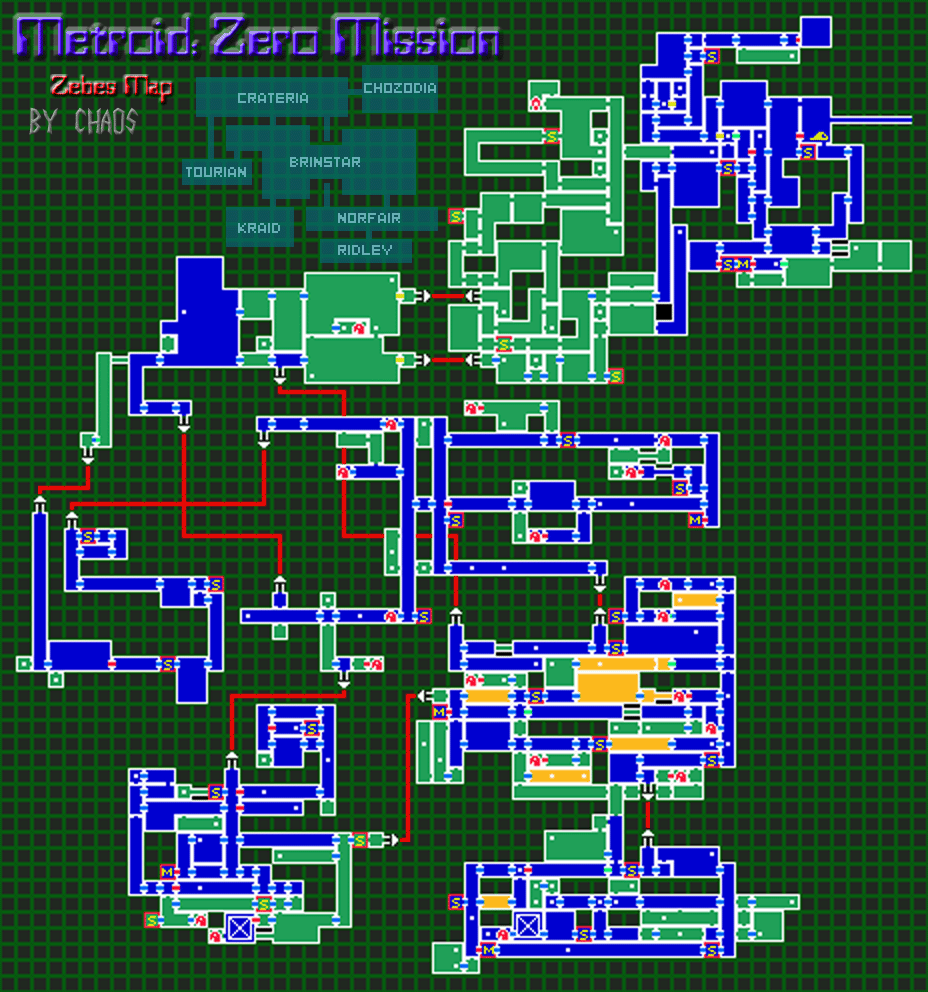


Metroid Zero Mission Map Donzoom Zm By Exate On Deviantart D6KPYE2 093DC04E BDE5 44e4 B43C Maps Jansenprice Com Mzm Price How To Play Norfair GVIDQ.

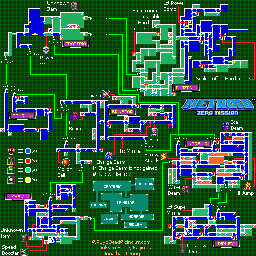

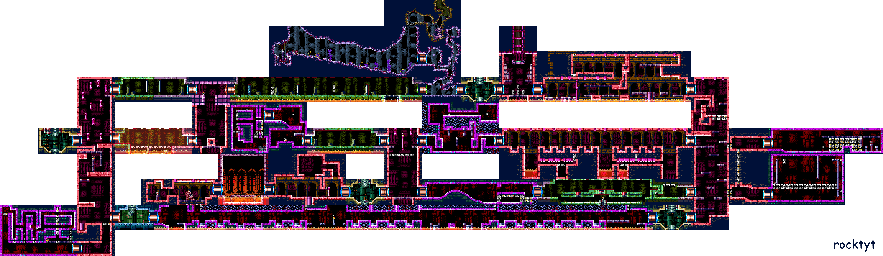
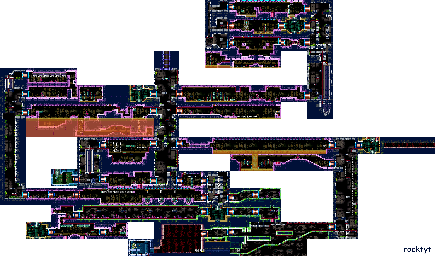
Super Metroid Zero Mission Map 726940375 Orig Maps Zebes Guide Gba Complete Brinstar Ridley Kraid.


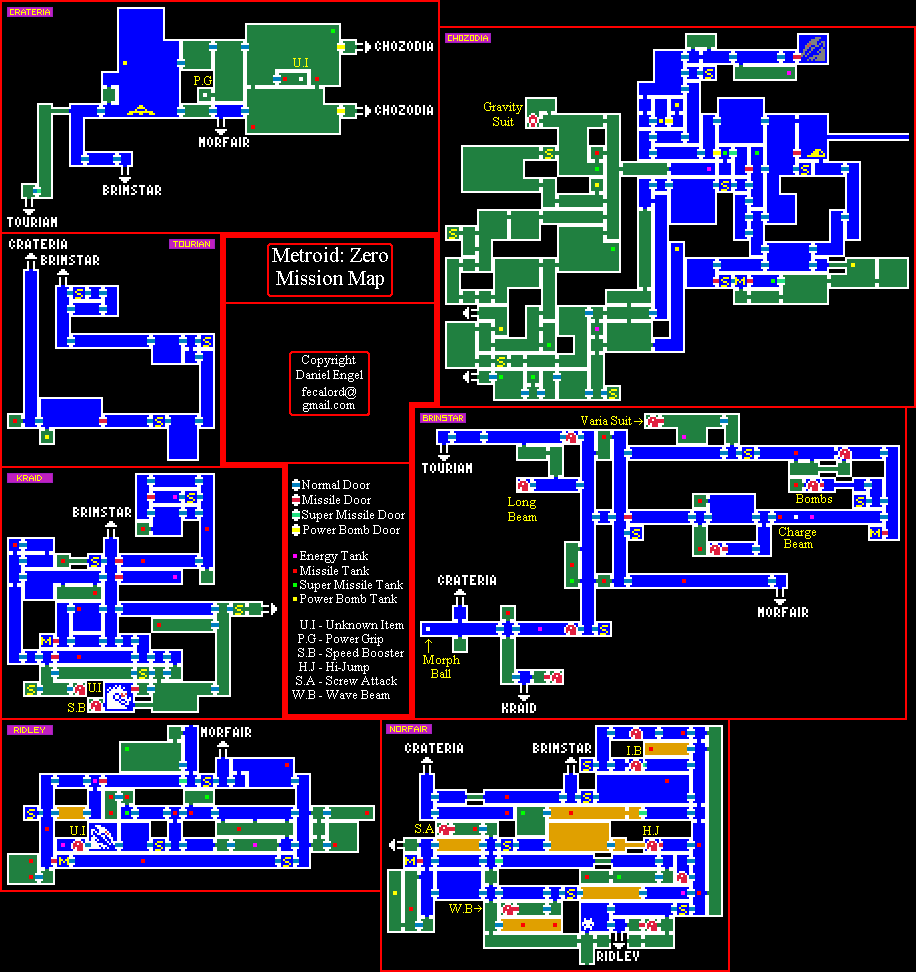
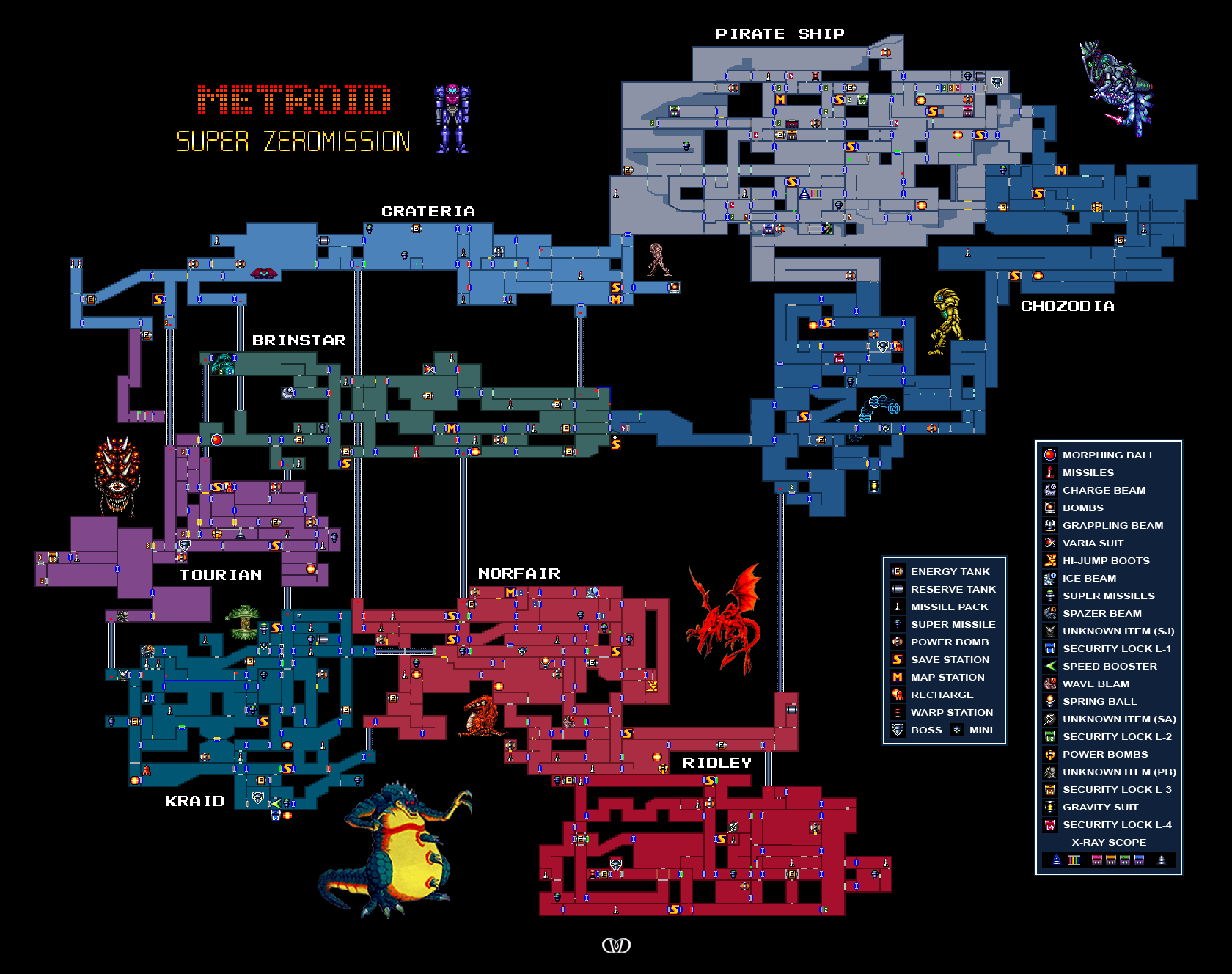
Metroid Super Zero Mission Map GJEUI Maps Chozodia Gba Game IGN Engel Metroidzero Station Brinstar.

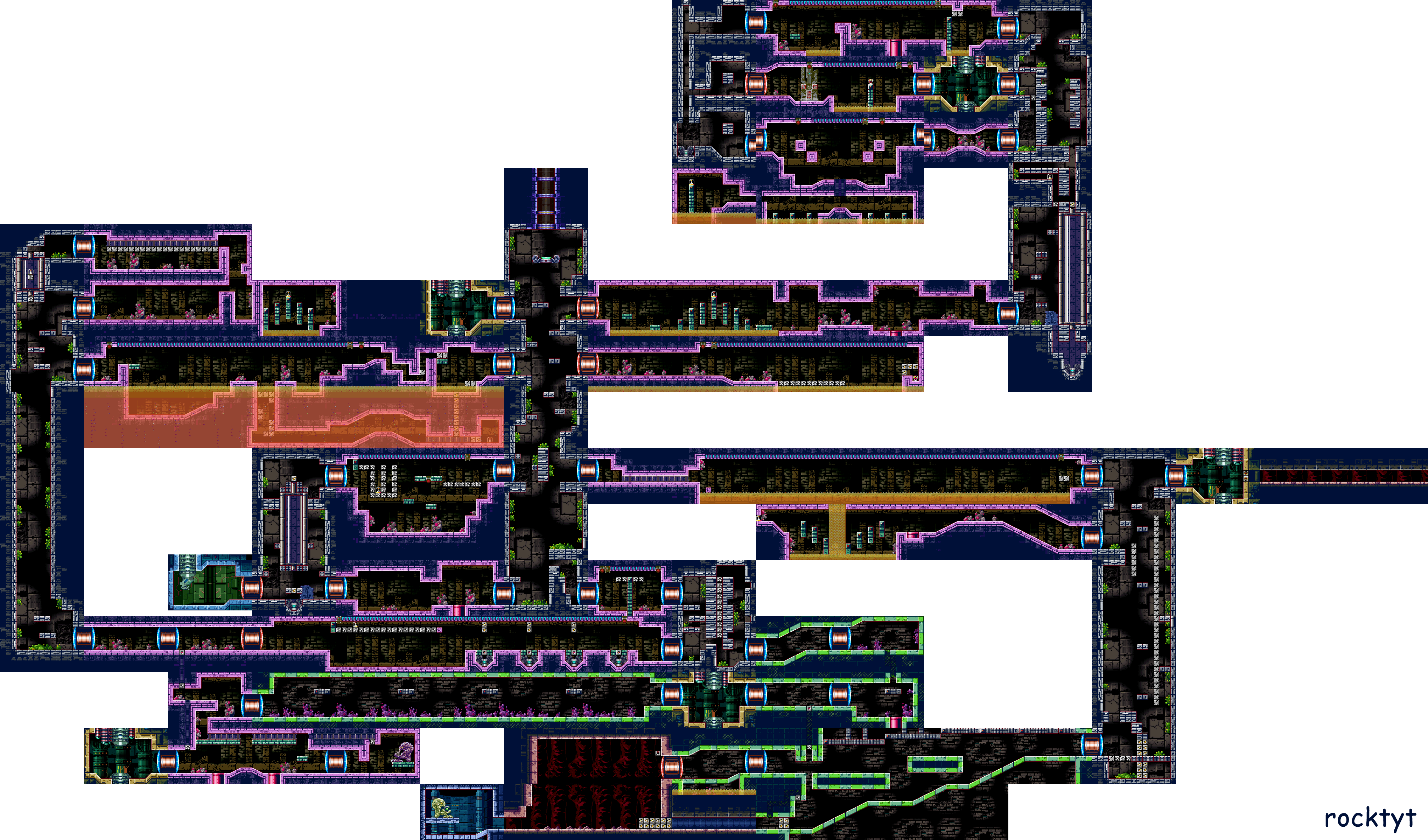
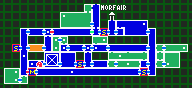
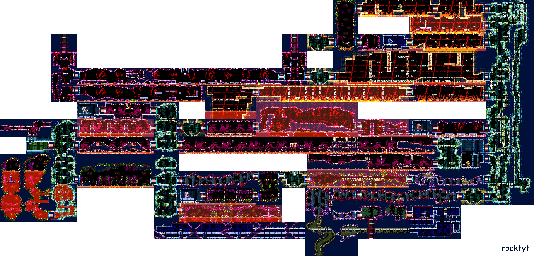

Original Metroid Map Printable Printables Templates Free 1664681328 Zero Mission Kraid Gba Complete Maps Ridley Norfair Chozodia In Game.


Metroid Zero Mission Maps Crateria Gba Map Norfair In Game Chozodia Guide Report Playthrough 5961 Completion Checklists IGN Button.


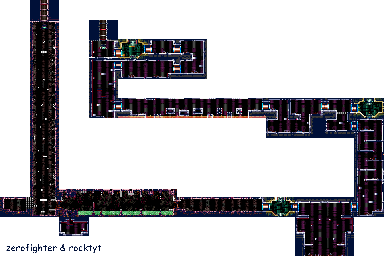
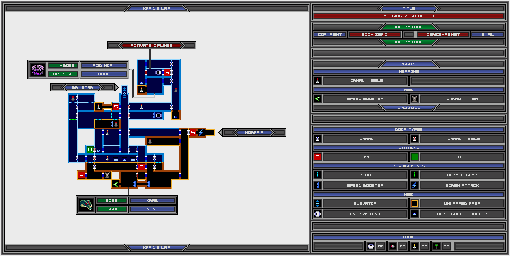

Metroid Maps Jansenprice Com MET2 Map Tj Zero Mission Ceiling Track At Ali Wynyard Blog Kraid Tourian Gba Guide Norfair By Leislon Samus Aran.