What are the primary challenges facing EV charging maps today?
The main challenges for EV charging maps include ensuring real-time accuracy of station availability and operational status. Data fragmentation across numerous charging networks, varying payment systems, and the rapid pace of infrastructure development often lead to outdated information or discrepancies. Addressing these issues requires better data standardization and greater cooperation among network providers to deliver a truly reliable user experience.
How do EV charging maps prevent range anxiety?
EV charging maps combat range anxiety by providing comprehensive information about available charging stations, including location, charger type, power level, and real-time status. Advanced maps integrate with vehicle data to suggest optimal charging stops along a route, considering factors like terrain and driving style. This foresight allows drivers to plan confidently, knowing where and when they can recharge.
Which companies are leading in EV charging map technology?
Companies like PlugShare, ChargePoint, Electrify America, and Tesla (for its Supercharger network) are prominent leaders in EV charging map technology. PlugShare offers a community-driven database, while network-specific apps provide detailed information for their respective stations. Third-party developers are also pushing boundaries with integrated routing and payment solutions to enhance the overall user experience.
What new features are expected in EV charging maps by 2026?
By 2026, EV charging maps are expected to feature enhanced predictive analytics for charger availability and wait times. Seamless integration with public transit and local amenities will become standard. We'll also see more advanced AI-driven route optimization, personalized recommendations based on past charging habits, and widespread implementation of "plug and charge" functionalities for effortless payment across multiple networks.
Are there any free EV charging map apps available for the USA?
Yes, several free EV charging map apps are widely available for the USA. PlugShare is a highly popular option, offering comprehensive station data and user reviews. Other free apps include ChargePoint, Electrify America, and EVgo, which primarily focus on their respective networks but are free to download and use. These platforms are indispensable for locating available charging infrastructure.
How does real-time data improve EV charging map utility?
Real-time data significantly enhances EV charging map utility by providing up-to-the-minute information on whether a charger is operational, available, or in use. This prevents drivers from arriving at occupied or broken stations, saving time and reducing frustration. Accurate real-time data ensures efficient trip planning and a more dependable experience for all electric vehicle owners on the road.
EV charging maps, electric vehicle charging stations, USA EV charging network, reliable EV maps, charging station availability, EV trip planner, best EV apps, future EV infrastructure, EV range anxiety solutions, real-time charging data.Exploring the evolving landscape of EV Charging Maps USA is crucial for electric vehicle owners navigating the vast American network. This navigational and informational guide delves into real-time accuracy, comprehensive station data, and future enhancements that promise a seamless charging experience. Users seek reliable information on station availability, charger types, pricing, and operational status to avoid range anxiety and plan journeys efficiently. With new technologies and expanded infrastructure constantly emerging, understanding which platforms offer the most dependable details for your next road trip or daily commute becomes increasingly vital. This resource aims to highlight trending features and common challenges faced by drivers nationwide.
Frequently Asked Questions
Are EV charging maps reliable for US cross-country trips?
Yes, leading EV charging maps are increasingly reliable for US cross-country trips due to real-time data integration from various networks. Platforms like PlugShare and ABRP offer extensive coverage and planning tools. However, drivers should still cross-reference information and consider user reviews, especially when venturing into less populated areas where infrastructure might be newer or less robust.
What features should a good EV charging map include?
A good EV charging map should include real-time charger availability, various connector types (CCS, NACS, J1772, CHAdeMO), power levels (Level 2, DC Fast Charger), pricing information, and user reviews. Advanced features like route planning, payment integration, and filters for amenities further enhance the user experience, ensuring efficient and convenient electric vehicle travel planning.
Can I trust the pricing information on EV charging maps?
You can generally trust the pricing information on reputable EV charging maps, but it's always advisable to verify. Data can be dynamic, with some networks implementing variable rates. Maps pull data from network providers, but real-time fluctuations or hidden fees might occur. Checking the specific charging network's app or on-site signage upon arrival offers the most accurate, up-to-date cost details.
How often are EV charging maps updated?
EV charging maps are updated continuously, with leading platforms integrating real-time data feeds from charging networks for operational status and availability. General infrastructure updates, such as new station installations or permanent closures, are typically incorporated within days or weeks. Community-driven apps often see even faster updates through user submissions, maintaining high accuracy for electric vehicle drivers.
What is the best app for finding Tesla Superchargers in the USA?
The best app for finding Tesla Superchargers in the USA is the official Tesla app and the in-car navigation system. These are directly integrated with Tesla's proprietary network, providing the most accurate and real-time information on availability, charging speeds, and pricing exclusively for Tesla vehicles. Third-party apps may list Superchargers but won't offer the same level of integrated functionality.
Do all EV charging maps show different charging networks?
No, not all EV charging maps show every different charging network. Some apps, like PlugShare, aim for comprehensive coverage across multiple networks, while others, such as ChargePoint or Electrify America's dedicated apps, primarily display their own stations. For a broad view of all available options, using a universal map aggregator is recommended for electric vehicle owners.
How do I report an issue with an EV charging station on a map?
To report an issue with an EV charging station on a map, use the reporting features within the specific app (e.g., PlugShare, ChargePoint). Most platforms provide options to mark a charger as out of order, incorrect location, or provide general feedback. Including details and photos helps maintain data accuracy for the entire electric vehicle community, ensuring better reliability for all users.
Do you ever wonder if EV charging maps in the USA are truly accurate for your long journeys? Electric vehicle adoption in the United States continues to accelerate at an impressive pace. As more drivers embrace a sustainable future, a critical question emerges for planning extended road trips or even daily commutes: how reliable are the digital tools designed to guide them to available charging stations? This essential query frequently surfaces in online forums and casual conversations among EV owners. Many users report varying experiences with different platforms, highlighting the urgent need for consistent and trustworthy information. Ensuring a smooth and anxiety-free driving experience heavily depends on the precision and up-to-date nature of these crucial navigational aids, especially when venturing into less populated areas where charging options might be sparse or unpredictable. The evolving landscape of electric mobility demands sophisticated solutions that can keep up with the infrastructure development and user expectations across the nation.
Mastering EV Charging Maps for Seamless USA Travel
Planning an electric vehicle journey across the sprawling American landscape demands more than just a sense of adventure. It requires a deep understanding of the tools that power your trip. The best EV charging map applications and services offer real-time data, but not all are created equal. As of 2026, significant advancements have been made in data integration and predictive analytics. Leading platforms now pull information from a multitude of networks, providing a more holistic view of the charging ecosystem. Drivers are increasingly relying on features like dynamic pricing, queue predictions, and user-generated reviews to make informed decisions before arriving at a station. This integration helps mitigate potential frustrations. These modern systems are designed to minimize range anxiety by presenting a clear and comprehensive picture of available charging infrastructure.
The Rise of Integrated EV Charging Solutions
The landscape of electric vehicle charging is rapidly evolving, driven by innovation and consumer demand. New solutions are integrating seamlessly with vehicle infotainment systems, offering unparalleled convenience. By 2026, many EV models come equipped with native charging map functionalities that rival standalone apps. These integrated systems provide predictive routing based on your vehicle's current state of charge and anticipated energy consumption. Furthermore, partnerships between automotive manufacturers and charging network providers are streamlining the payment process. This collaboration means fewer apps to juggle and a more unified experience. This integration simplifies the entire charging process. Drivers can now initiate and complete charging sessions directly from their car's dashboard or linked smart devices, making the experience more efficient and user-friendly for everyone involved.
- Real-time charger availability and status updates are becoming standard across leading platforms.
- Advanced filters allow users to specify charger type, network, power level, and amenities nearby.
- Community-driven reviews and photo uploads help verify station conditions and user experiences.
- Predictive analytics use historical data to estimate charger uptime and potential wait times.
- Route planners now automatically suggest optimal charging stops, considering elevation changes and driving style.
- Integrated payment options simplify transactions, often linking directly to a single account for various networks.
Key Features Defining a Top-Tier EV Charging Map
When selecting an EV charging map, several features stand out as essential for an optimal user experience. Accuracy of information is paramount. This includes precise location data, correct charger types (CCS, J1772, NACS, CHAdeMO), and accurate power output ratings. Real-time operational status is another non-negotiable component. Knowing if a charger is occupied, out of order, or performing sub-optimally saves valuable time and prevents frustrating detours. Furthermore, comprehensive network coverage across the United States ensures drivers can find options regardless of their chosen path. The ability to filter results based on specific needs, such as fast chargers or those with amenities like restrooms or food, significantly enhances convenience and overall satisfaction during long drives or short errands. These functionalities empower drivers.
Another crucial aspect gaining traction is the inclusion of future infrastructure projections. Some advanced maps provide insights into planned charging station expansions. This helps drivers anticipate future travel routes and infrastructure improvements. The push for a standardized user interface across different charging networks is also making it easier for new EV owners to adapt quickly. These improvements are vital for increasing confidence in electric travel. These features collectively contribute to reducing range anxiety and promoting wider adoption of electric vehicles, making the transition smoother for everyone. The continuous enhancement of these digital tools reflects a strong commitment to supporting the growing EV community.
Frequently Asked Questions
How accurate are EV charging maps in the USA?
Modern EV charging maps in the USA strive for high accuracy by integrating real-time data from various networks. While occasional discrepancies can occur due to connectivity issues or sudden outages, leading platforms like ChargePoint, Electrify America, and PlugShare offer increasingly reliable information on station availability, charger types, and operational status to help electric vehicle drivers plan their routes effectively and avoid unexpected delays.
Which EV charging map is best for long road trips?
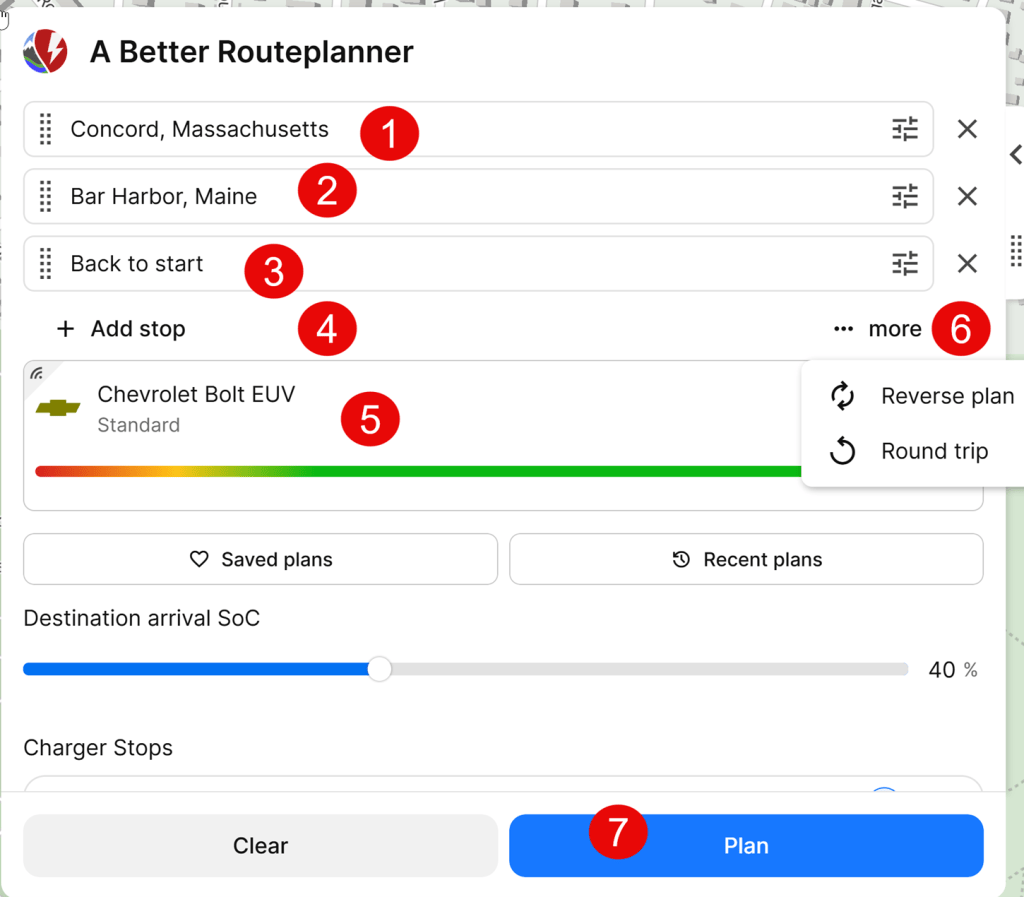
For long USA road trips, apps combining extensive network coverage with robust route planning features are best. PlugShare and ABRP (A Better Routeplanner) are highly recommended. They allow users to filter by charger speed, plan multi-stop journeys, and integrate vehicle-specific data to optimize charging stops, ensuring a smoother and less anxious electric vehicle travel experience across diverse terrains and distances.
Do EV charging maps show real-time availability?
Yes, most leading EV charging map applications and integrated vehicle systems now show real-time availability. This crucial feature indicates whether a charging port is in use, available, or out of order. This data is continuously updated through direct communication with charging stations, empowering drivers to make immediate decisions and divert to alternative stations if their primary choice is occupied or non-functional, enhancing travel efficiency.
Can I filter EV charging stations by connector type?
Absolutely. All reputable EV charging map applications and services provide extensive filtering options, including the ability to search by specific connector types such as J1772, CCS (Combo 1 or 2), CHAdeMO, and NACS. This ensures that electric vehicle owners can quickly locate stations compatible with their vehicle's charging port, preventing wasted time and unnecessary detours while traveling across the United States.
Are there EV charging maps integrated with car navigation systems?
Yes, many contemporary electric vehicles and aftermarket navigation systems integrate EV charging maps directly. Manufacturers like Tesla, Ford, and Hyundai incorporate native charging network data and route planning into their infotainment systems. This allows drivers to seamlessly find, navigate to, and sometimes even pay for charging sessions without needing separate smartphone applications, simplifying the user experience significantly.
Final Thoughts on EV Charging Maps USA
The journey with electric vehicles across the United States is becoming increasingly feasible and enjoyable thanks to sophisticated EV charging map technology. These essential tools are transforming how drivers approach long-distance travel, offering real-time insights and comprehensive data to mitigate range anxiety. Continued innovation in reliable EV charging solutions promises an even more integrated future. Are we ready for a fully autonomous EV charging experience, and what further advancements do you hope to see in these crucial navigation platforms?
Real-time EV station availability, accurate charger type information, integrated payment solutions, predictive analytics for demand, user review systems, route planning with charging stops, comprehensive network coverage, enhanced search filters.


Best EV Road Trip Planning 2026 Driver S Guide MOTORWATT 3019BFED Electric Vehicle Software Development In 2026 And Route Planner App Routes With Smart Charging Stops Mappr Featured Apps For 2026 Recharged Hero Google Maps Gets Feature Every Owner Has Dreamed Of.

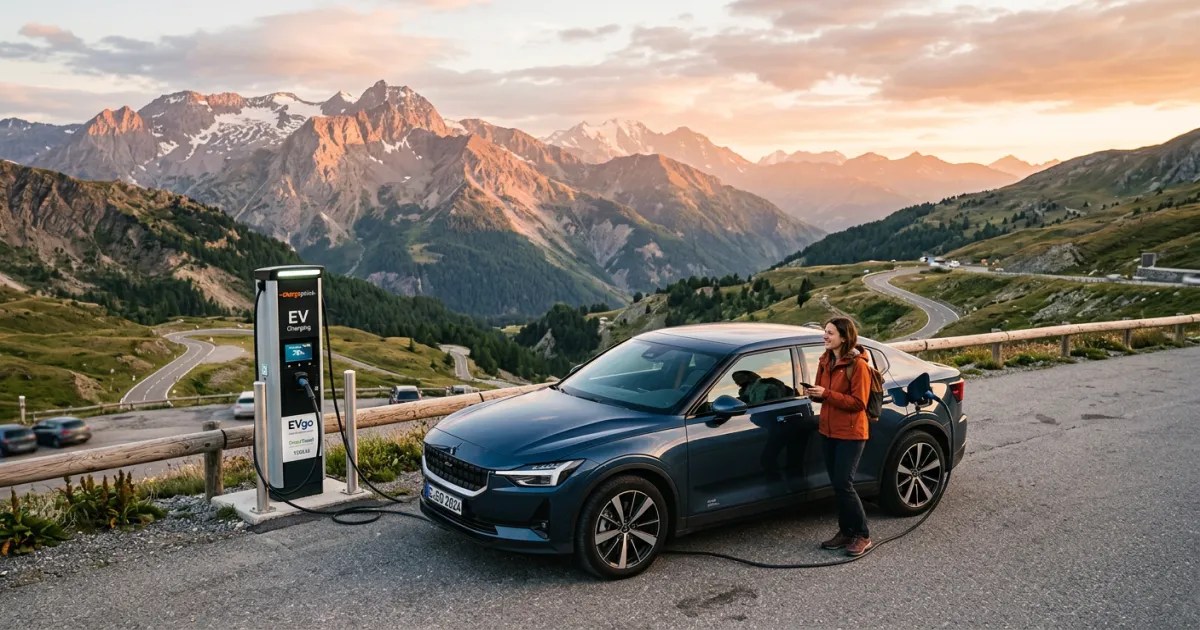

.webp)

Google Maps Adds AI Based EV Route Planning To Android Auto Electrive Com Trip Planner Road Electric Vehicle Guide 2026 What S Coming In 2026 I M Several More Trips Youtube Future Tech 2026 Game Changing Innovations Powered Your Complete 2026.

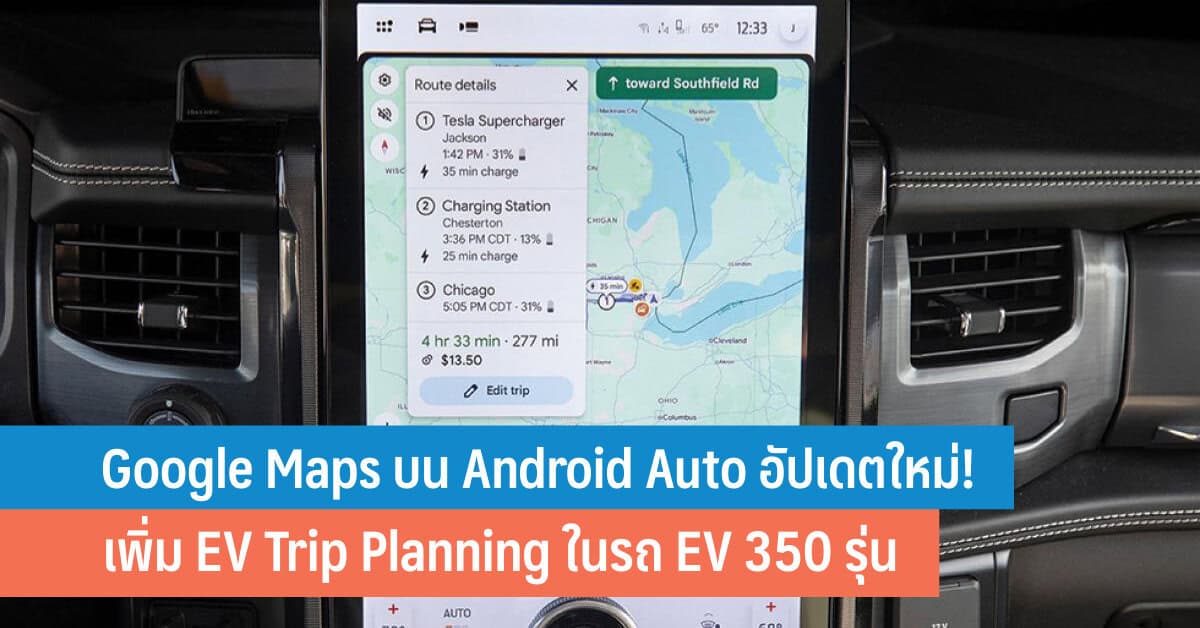

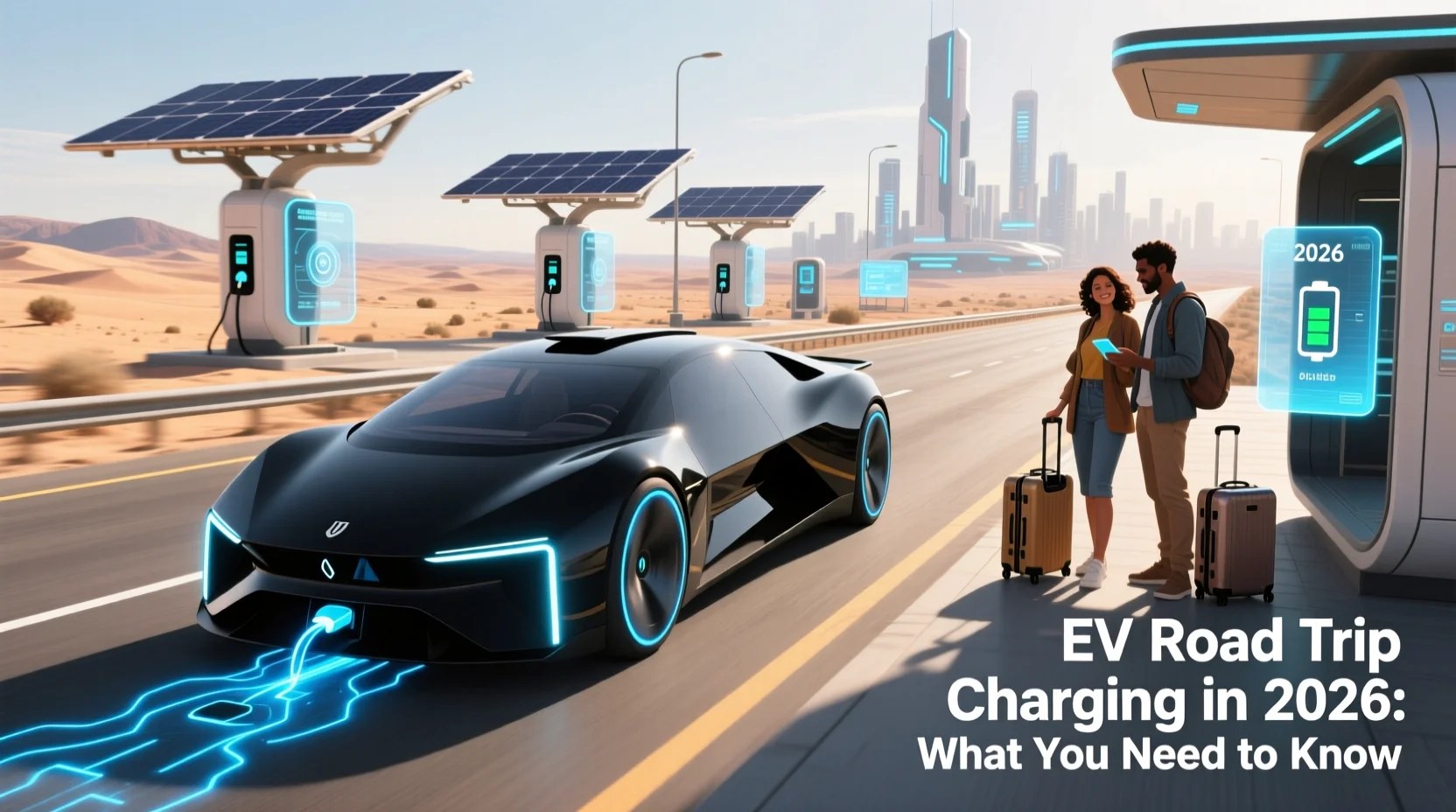

Ev Road Trip Planner Maps Insiderpuj Com Route Journey MAP404X Google Android Auto Planning B States USA 2026 Best Electric Vehicle Friendly Routes Chatgpt Image Feb 2026 AM Charging In 2026 What You Need To Know 2026 2026.


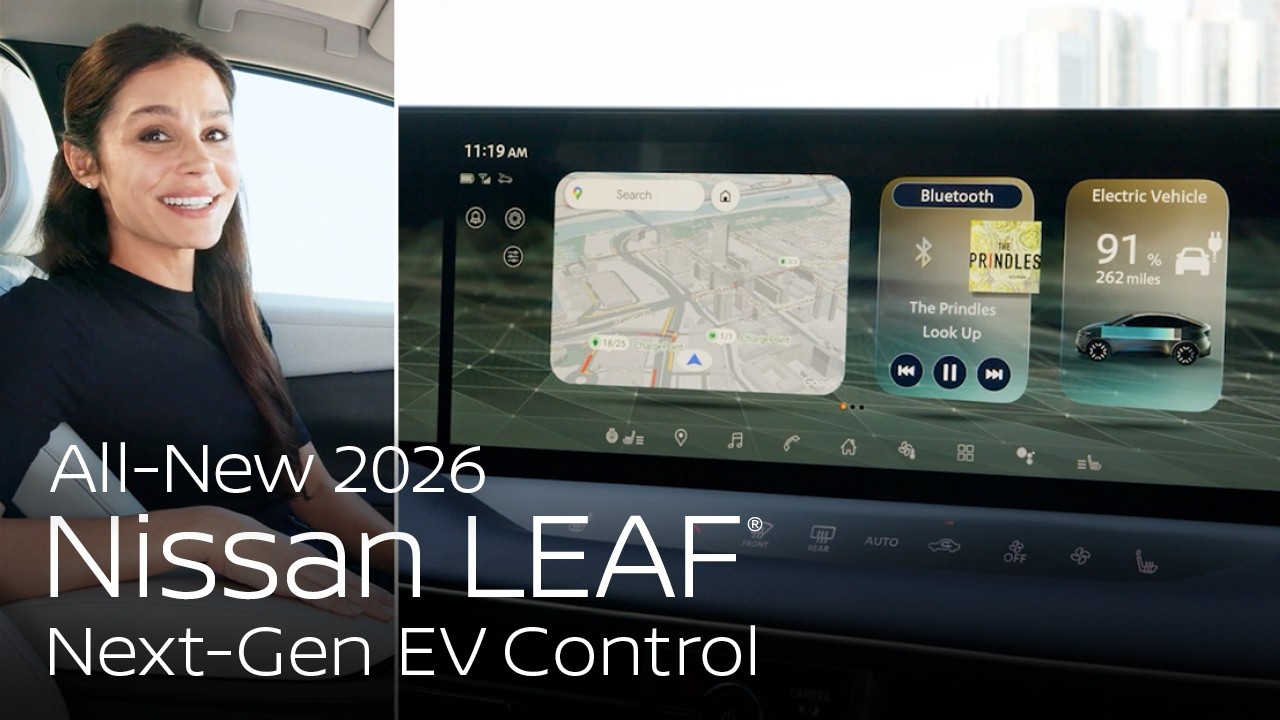
Planning An EV Road Trip In 2026 Youtube Planner Nepal Plan Your Journey Og Guide Charging Networks Route Updated 2026 Electric Vehicle Trips Apps And Tools For Long Distance Travel Optimize AVKY0 2026 Nissan LEAF Explore Car Tech Features 1773785406.



Navigating The Adventure Complete Guide To Electric Vehicle Trip Feat EV Road Charging Planner Calculator Cc Pin 6424 Advanced Planning With Google Maps On Android Auto Screen Displaying Route And Stations How Plan For An Energy New England Bannerfull.


EV Road Trip Guide 2026 Real Cost Data From Verified Routes 2026 Plan An Abroad The Star 3875420 Planner Electric Vehicle 2026 Charging Highway Bus Range Anxiety World Route Planning 2026 Fleet 2026 Hyundai Ioniq Reno NV Lithia Of 2026.


Electric Vehicle Trip Planner Delivers Fast Accurate Route Finds For Why Your EV Adventure Demands Precision Mapping FAST2C You Fleet Planning Range Management Anxiety Guide Best Road 2026 Driver S MOTORWATT Electroc Car Apps 2026 Recharged Image How To Plan An Energy New England.