Understanding how to effectively test your video card is more crucial than ever for US gamers balancing demanding jobs, family life, and their passion for virtual worlds. This comprehensive guide navigates the essential tools and techniques to ensure your GPU performs optimally, preventing frustrating stutters and crashes during those precious gaming hours. We dive into diagnostics, performance benchmarks, and troubleshooting steps that help you identify bottlenecks, confirm stability, and make informed upgrade decisions without breaking the bank. With 87% of US gamers regularly dedicating 10 plus hours a week to their favorite titles, often across PC and mobile platforms, maximizing performance and value is key. Whether you are trying to squeeze more frames from an aging card or verify a new purchase, this article provides practical, actionable advice. Learn how to maintain peak performance, extend hardware life, and enhance your overall gaming experience, ensuring your rig is always ready for the next adventure or social gathering with friends online. Avoid common setup issues and performance problems that plague many gamers today, and keep your system running smoothly with our expert tips.
Q: Why should I regularly test my video card for optimal gaming performance?
A: Regularly testing your video card is crucial for proactive maintenance, ensuring consistent frame rates, and preventing unexpected crashes during your precious gaming hours. It helps identify issues before they escalate, confirms your card is running at peak capacity, and is essential for troubleshooting specific game performance problems, especially when balancing gaming with a busy life. For the 87% of US gamers who play frequently, reliable performance equals enjoyable relaxation.
Q: What are the best free tools to test video card stability and performance?
A: Excellent free tools for testing video card stability and performance include Unigine Heaven Benchmark and Valley Benchmark for visual stress tests, MSI Afterburner for real-time monitoring of FPS, usage, and temperatures, and HWMonitor for comprehensive sensor data. Many modern games also feature built-in benchmarks, offering real-world performance metrics specific to the titles you play, allowing you to test your video card without extra cost.
Q: How do I prepare my gaming PC for an accurate video card test?
A: For accurate video card test results, start by updating your graphics drivers to the latest stable version and closing all unnecessary background applications. Monitor your idle GPU temperature for a baseline, ensure good PC airflow, and temporarily revert any GPU overclocks to stock settings. Finally, confirm your power supply meets your video card's wattage requirements to prevent instability during demanding tests.
Q: How do I interpret the results from my video card tests?
A: Interpreting video card test results involves more than just raw numbers. Compare benchmark scores with similar systems, analyze average and 1% low frame rates for consistent performance, and monitor GPU temperatures to ensure they stay below 85-90°C. Look for consistent clock speeds and any signs of instability like crashes or visual artifacts. This correlation helps identify bottlenecks or hardware issues.
Q: What if my games are still lagging even after I test my video card and it seems fine?
A: If games lag despite a seemingly healthy video card, re-evaluate your test results for subtle clues. Check background processes using Task Manager, lower in-game graphics settings, and use a monitoring tool like MSI Afterburner during gameplay to see if your GPU usage is consistently low (indicating a CPU bottleneck). A clean driver reinstallation or verifying game file integrity can also often resolve persistent lagging issues.
Q: When is the right time to consider upgrading my video card based on performance tests?
A: Consider upgrading your video card if tests consistently show unplayable frame rates (below 30-45 FPS) in your favorite games, if it struggles with new titles even on low settings, or if it frequently overheats or crashes despite proper cooling. Benchmark comparisons significantly lower than expected for your model, or a lack of support for modern features like Ray Tracing, are also strong indicators that an upgrade might be beneficial for your gaming experience and stress relief.
Q: How does knowing how to test video card performance benefit my gaming budget?
A: Understanding how to test your video card empowers you to make informed, budget-friendly decisions. It helps you avoid unnecessary upgrades by confirming your current GPU's capabilities, identifies true bottlenecks to prevent misdirected spending, and allows you to optimize existing hardware for maximum performance. Catching issues early can prevent costly repairs or replacements, ensuring your gaming budget is spent wisely for sustained enjoyment and value for money.
Ever hit that perfect headshot only for your game to stutter, costing you the round? Or maybe your PC unexpectedly crashed mid-raid, leaving your teammates hanging? For many US gamers, balancing a demanding job, family responsibilities, and that precious time dedicated to unwinding with a game is a constant juggling act. When a hardware issue, especially with your video card, throws a wrench into those plans, it is not just annoying; it eats into your valuable relaxation time. You are not alone. Roughly 87% of US gamers play regularly, often logging 10 plus hours a week, and they value smooth performance and a stable experience. This is precisely why knowing how to effectively test video card performance and health is critical. It is about more than just numbers; it is about ensuring your escape, your social hub, your competitive arena, and your personal time remain uninterrupted and enjoyable. We are here to guide you through the maze of diagnostics, helping you maximize your setup without unnecessary spending, keeping you current without falling for every hype cycle, and ultimately, letting you enjoy your games the way they were meant to be played.
This comprehensive guide will break down everything you need to know about how to test video card stability and performance. We will cover the essential tools, walk through the testing process, help you interpret the results, and offer practical advice for common issues. Whether you are dealing with setup frustrations, chasing better frame rates, or just want to make sure your system is ready for the latest titles or social gaming trends, we have got you covered. Get ready to empower yourself with the knowledge to keep your gaming rig in top shape.
Why Should I Test My Video Card Regularly?
Regularly testing your video card is like getting a routine checkup for your gaming rig; it is essential for proactive maintenance and identifying potential issues before they become major problems. A healthy GPU ensures consistent frame rates, prevents unexpected crashes, and extends the lifespan of your hardware. For gamers who juggle life and play, nothing is worse than having limited gaming time ruined by performance hiccups. Testing helps you confirm your card is running at its expected capacity, especially after driver updates, system changes, or simply over time as components age. It is also crucial when troubleshooting specific game performance issues, helping you pinpoint if the video card is the bottleneck or if another component needs attention. Considering many gamers aim for optimal performance for social gaming, where smooth gameplay directly impacts the shared experience, regular checks are a must.
What Tools Are Best to Test Video Card Performance?
To accurately test your video card, you will need a combination of benchmarking and monitoring software. Here are the top tools that many experienced gamers and tech enthusiasts rely on:
- 3DMark: This is an industry standard for benchmarking, offering various tests like Time Spy and Port Royal that push your GPU to its limits, simulating demanding gaming scenarios. It provides a score you can compare globally.
- FurMark: Known as a GPU stress test or 'GPU burner,' FurMark pushes your video card to 100% utilization, making it excellent for checking stability and thermal performance under extreme load. Run this cautiously and monitor temperatures.
- Heaven Benchmark / Valley Benchmark: Older but still reliable, these benchmarks are great for assessing real-world gaming performance with beautiful, detailed environments. They are good for identifying micro-stutters or frame drops.
- MSI Afterburner: While primarily an overclocking tool, Afterburner also provides an excellent in-game overlay for real-time monitoring of GPU temperature, usage, clock speeds, and frame rates. This is invaluable during actual gameplay tests.
- HWMonitor: A simple utility that monitors various system sensors, including GPU temperatures, fan speeds, and power draw, which is vital for understanding your card's behavior during stress.
Using a combination of these tools gives you a comprehensive picture of your video card's performance and health. Remember to download them only from official websites to avoid malware.
How Do I Prepare My PC Before a Video Card Test?
Proper preparation is key to getting accurate and reliable results when you test your video card. Skipping these steps can lead to skewed data or even potential hardware issues during stress tests. Here is a quick checklist:
- Update Drivers: Ensure your graphics drivers (NVIDIA GeForce, AMD Radeon) are updated to the latest stable version. Outdated drivers can cause performance issues and instability during tests.
- Close Background Applications: Shut down all unnecessary programs, browsers, and background processes. These can consume GPU resources, affecting your test results.
- Monitor Temperatures: Before starting, use a monitoring tool like HWMonitor or MSI Afterburner to check your idle GPU temperature. This gives you a baseline.
- Ensure Good Airflow: Make sure your PC case has adequate airflow and that your GPU fans are clean and functioning. Dust buildup can significantly impede cooling.
- Disable Overclocks: If you have any GPU overclocks applied, revert them to stock settings. Test your card at its factory speeds first to establish a stable baseline.
- Check Power Supply: Verify your power supply unit (PSU) meets the minimum wattage requirements for your video card. Insufficient power can lead to instability and crashes during high load.
Taking these preparation steps will help isolate the video card's performance and give you the most accurate readings during your tests, leading to more actionable insights.
What Specific Tests Should I Run to Test Video Card Stability?
Testing for stability involves pushing your video card to its limits to ensure it can handle sustained workloads without crashing or artifacting. Here are the crucial tests:
- Stress Tests: Use tools like FurMark or OCCT GPU Test. Run these for at least 15-30 minutes. Monitor temperatures closely. If your system crashes, freezes, or you see visual artifacts (like flashing pixels or distorted images), it indicates instability.
- Loop Benchmarks: Run a demanding benchmark like 3DMark Time Spy or Heaven Benchmark on a continuous loop for several cycles (e.g., 5-10 loops). This helps catch intermittent issues that might not appear in a single run.
- Real-World Gaming: Play your most demanding games for an extended period (1-2 hours). Pay attention to frame rates, sudden drops, and any visual anomalies. This is often the most revealing test, as it mimics your actual use case. Focus on titles that push your card, like a new AAA release that just launched this month, which often feature advanced graphics and effects.
- Memory Stability Test: While less common, GPU memory errors can cause crashes. Some tools like MSI Afterburner can detect memory errors, or you can use dedicated VRAM stress testers if you suspect issues.
During all these tests, continuously monitor your GPU temperature. Excessive heat is a primary cause of instability and can throttle performance. Aim to keep temperatures below 85-90 degrees Celsius under load for most modern cards.
How Do I Interpret Test Video Card Results and What Do They Mean?
Understanding your test results is where the real value lies. Raw numbers alone are not enough; you need context. Here is how to interpret what your video card tests are telling you:
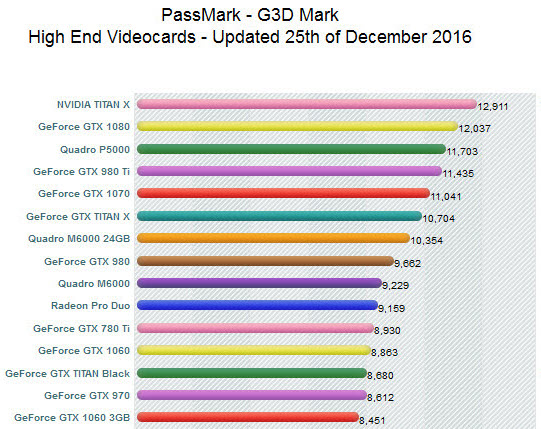
- Benchmark Scores: Compare your 3DMark or Heaven Benchmark scores with similar systems online, especially those with the exact same CPU and GPU model. Significant discrepancies (more than 5-10%) could indicate a problem with your card, drivers, or another system component.
- Frame Rates (FPS): During real-world gaming and benchmark runs, monitor your average, minimum (1% lows), and maximum FPS. Consistent average FPS is good, but low 1% lows indicate stutters and uneven performance, which can be very noticeable during gameplay.
- Temperatures: High temperatures (above 85°C) during stress tests suggest inadequate cooling, which can lead to thermal throttling (where the GPU slows itself down to prevent damage) or system instability. This is a common pain point for gamers, especially in less-optimized builds.
- Clock Speeds: Monitor your GPU core and memory clock speeds. If they consistently drop below advertised boost clocks during load, it could be a sign of power limits, thermal throttling, or an unstable overclock (if applied).
- Stability: Any crashes, freezes, or visual artifacts during a stress test or demanding game indicate instability. This might point to faulty hardware, insufficient power, or an unstable overclock.
- Power Consumption: Monitoring power draw can reveal if your GPU is receiving adequate power or if your PSU is struggling to keep up.
By correlating these metrics, you can diagnose issues like thermal throttling, driver problems, or even a failing component. For example, if your FPS is low but your GPU usage is not 99-100%, it might be a CPU bottleneck rather than a video card issue.
My Games Are Lagging After I Test Video Card, What Now?
If your games are still lagging after you have run diagnostics and tested your video card, it is time for some targeted troubleshooting. Here is a systematic approach:
- Re-evaluate Test Results: Did your tests show any red flags? High temperatures? Low benchmark scores? Instability? Address those issues first. Clean dust, reapply thermal paste if comfortable, or ensure drivers are clean-installed.
- Check Background Processes: Use Task Manager (Windows) or Activity Monitor (macOS) to see if other applications are hogging CPU or GPU resources. Sometimes, an update service or a forgotten program can cause significant slowdowns.
- Verify Game Settings: Are your in-game graphics settings too high for your video card? Try lowering demanding settings like anti-aliasing, shadow quality, or texture resolution. Many modern games offer an auto-detect feature that can provide a good starting point.
- Monitor While Gaming: Use MSI Afterburner or a similar tool to monitor GPU usage, temperature, and frame rates *during actual gameplay*. If GPU usage is consistently low (e.g., below 90%) while FPS is poor, you might have a CPU bottleneck or a driver issue.
- Driver Reinstallation: Perform a clean installation of your graphics drivers. Use Display Driver Uninstaller (DDU) to completely remove old drivers in Safe Mode, then install the latest stable version from your GPU manufacturer's website.
- Check Game Files: Verify the integrity of your game files through the game launcher (Steam, Epic Games, etc.). Corrupted files can cause performance issues.
- System Overheating: Ensure your CPU and other components are not overheating, as this can lead to system-wide throttling.
Addressing lagging games often involves a bit of detective work, but by systematically checking these points, you can usually identify and resolve the root cause. Remember, gamers today, especially those balancing jobs and families, need their limited gaming time to be smooth and enjoyable.
When Should I Consider Upgrading My Video Card Based on Tests?
Deciding when to upgrade your video card is a significant decision, especially when balancing performance desires with budget constraints. Your test results provide crucial data to make an informed choice:
- Consistent Low Frame Rates: If your video card consistently delivers unplayable frame rates (e.g., below 30-45 FPS) in your favorite games, even after optimizing settings and troubleshooting, it is a strong indicator. This is particularly true if you are aiming for higher refresh rates for competitive or immersive experiences.
- Inability to Run New Titles: When new games you want to play barely run or require drastic reductions in quality that detract from the experience, your current GPU might be reaching its end-of-life for your needs. Current trends show even free-to-play and social games are becoming more graphically intensive.
- Outdated Technology: Your video card may lack support for modern features like Ray Tracing or DLSS/FSR, which can significantly enhance visuals or performance in newer titles. Staying current without overspending is a common gamer concern.
- Thermal Issues/Instability: If your card consistently overheats or crashes during stress tests or demanding games, despite cleaning and proper cooling, it might be showing signs of degradation. A failing card is a clear sign to consider an upgrade.
- Comparison Benchmarks: If your benchmark scores are significantly lower than what is expected for your GPU model, and you have exhausted all troubleshooting steps, your card might be underperforming.
Ultimately, the decision to upgrade comes down to your personal gaming goals, budget, and tolerance for lower performance. An upgrade can be a solid investment, improving not just your experience but also your stress relief and social interactions within games, which is a major draw for the average US gamer.
Can I Test My Video Card Without Expensive Software?
Absolutely! While professional benchmarking suites offer granular data, you can still get a good sense of your video card's performance and stability using free tools and methods. Here is how:
- Free Benchmarks: Look for free tiers or older versions of popular benchmarks. Unigine Heaven and Valley are excellent free options that still provide a good visual and performance stress test. You can often download trial versions of 3DMark that include basic tests.
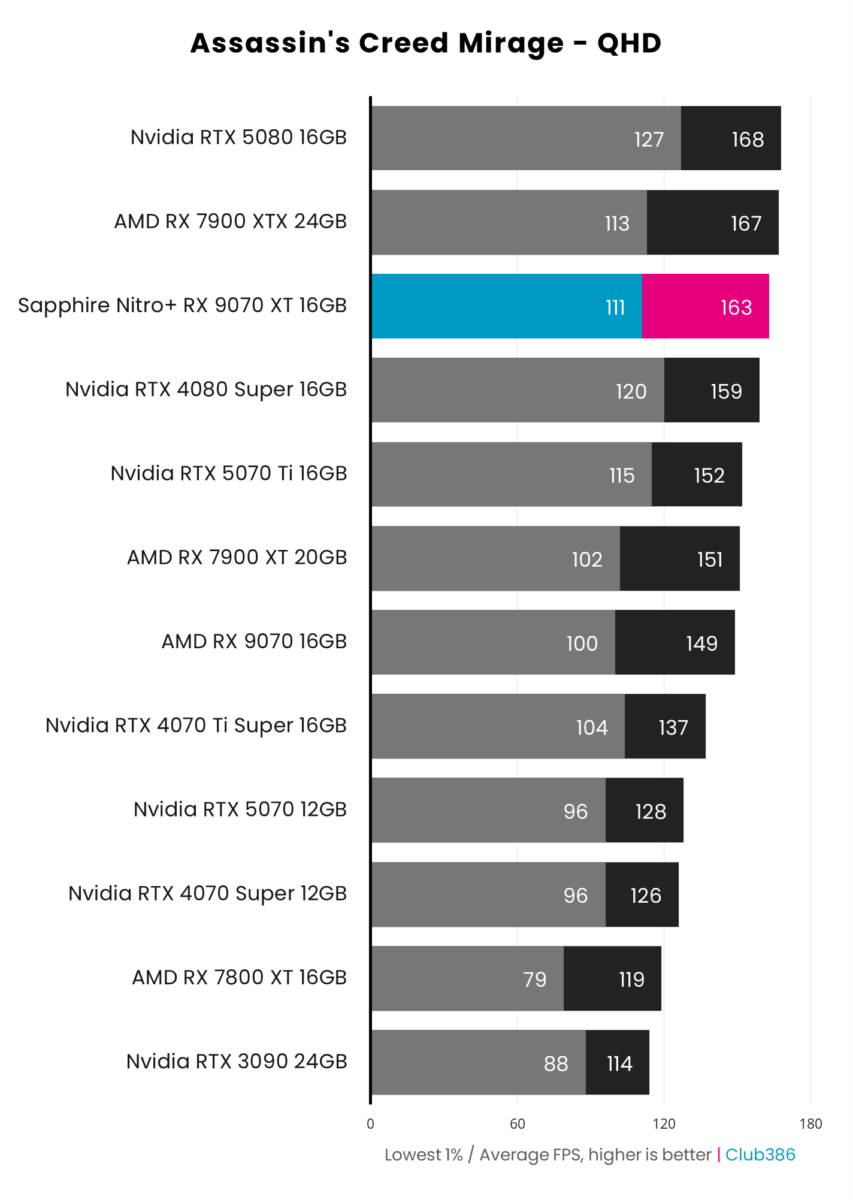
- In-Game Benchmarks: Many modern games include built-in benchmarks (e.g., Cyberpunk 2077, Assassin's Creed series, Forza Horizon). These are fantastic for real-world performance metrics specific to the games you play. Run them at various settings.
- Monitoring Tools: MSI Afterburner (free) is invaluable. It lets you monitor FPS, GPU usage, temperatures, and clock speeds in real-time, even in games without a built-in benchmark. HWMonitor (free) provides comprehensive sensor data.
- Demanding Free-to-Play Games: Load up a graphically intensive free-to-play game or a popular title known for pushing hardware (like Fortnite, Apex Legends, or Genshin Impact). Max out the settings and observe performance. This is a great real-world test for balancing gaming with limited time and budget.
- Open-Source Stress Testers: Tools like OCCT offer free GPU stress tests that can help you check for stability under heavy load.
By leveraging these free resources, you can effectively test video card performance, identify potential issues, and optimize your settings without spending a dime on software. It is a smart way for budget-conscious gamers to ensure their rig is performing its best.
How Does Video Card Testing Help with Balancing My Gaming and Budget?
Video card testing plays a pivotal role in achieving that sweet spot between gaming enjoyment and smart financial decisions. Here is how it helps you balance your gaming budget:
- Informed Upgrade Decisions: By knowing your current card's exact performance limitations, you can avoid overspending on an upgrade you do not truly need. If your tests show your current GPU still handles your favorite games at acceptable frame rates, you can defer an expensive upgrade, saving money for other priorities or future tech.
- Identifying Bottlenecks: Testing helps you pinpoint if your video card is truly the limiting factor or if your CPU, RAM, or storage is holding back performance. This prevents you from upgrading the wrong component, which is a common mistake that wastes money.
- Optimizing Existing Hardware: With test data, you can fine-tune your game settings for the best balance of visuals and performance on your existing card. This squeezes every last drop of performance from your current hardware, extending its useful life and delaying the need for an upgrade.
- Troubleshooting Cost-Effectively: Diagnosing issues early through testing can prevent component failure or costly repairs down the line. Catching a thermal issue before it permanently damages your card saves you the cost of a full replacement.
- Value for Money: When you do decide to upgrade, your understanding of benchmarks and real-world performance allows you to research and select a new video card that offers the best performance-per-dollar for your specific needs, rather than just buying the most expensive or hyped option.
For gamers balancing jobs and families, every dollar counts. Testing empowers you to be a savvy consumer, ensuring your gaming budget is spent wisely, maximizing your entertainment value without unnecessary financial strain. It is about playing smarter, not just harder.
What Role Does Video Card Health Play in Modern Social Gaming?
In 2026, social gaming is not just a trend; it is a cornerstone of the gaming experience for many US gamers. Whether it is coordinating strategies in a competitive title on Discord, exploring virtual worlds with friends, or simply chilling in a cozy co-op game, a healthy video card is fundamental to a seamless social experience. Here is why:
- Consistent Performance for Shared Experiences: When you are gaming with friends, inconsistent frame rates or crashes are not just your problem; they impact the entire group. A stable GPU ensures you can keep up, react quickly, and fully participate without being a liability or missing crucial moments.
- Smooth Streaming and Content Creation: Many social gamers also dabble in streaming or sharing clips with their communities. A healthy video card is crucial for encoding high-quality video without impacting game performance, allowing you to share your experiences effortlessly.
- Reliability in Competitive Play: In esports or ranked matches, every millisecond counts. A video card prone to stuttering or overheating can be the difference between a win and a loss, affecting not only your performance but also the team's morale and your ability to build skills collectively.
- Enjoying Visually Rich Social Hubs: Modern social games and virtual worlds (like those increasingly popular in the metaverse discussions this month) are becoming more graphically demanding. A strong, healthy GPU ensures you can fully immerse yourself and enjoy these vibrant environments with friends without visual compromises.
- Cross-Play Compatibility: With PC, console, and mobile cross-play becoming standard, maintaining optimal PC performance ensures you can bridge the gap and play seamlessly with friends on any platform, broadening your social gaming circle.
Ultimately, a well-maintained and tested video card means you are always ready for social interaction, can contribute effectively, and can fully enjoy the communal aspects of gaming, which is a significant source of relaxation and connection for today's busy adult gamer.
Conclusion: Knowing how to test video card performance is no longer just for tech enthusiasts; it is a vital skill for every US gamer looking to maximize their enjoyment, save money, and ensure their precious gaming hours are spent having fun, not troubleshooting. By regularly checking your GPU's health, understanding its limits, and making informed decisions, you can ensure your rig delivers the smooth, reliable performance you deserve. Whether it is preventing mid-game crashes, optimizing for social play, or making smart upgrade choices, empowering yourself with this knowledge is a game-changer. So, go ahead, put your video card to the test, and reclaim your peace of mind. What is your biggest gaming challenge when it comes to hardware? Comment below! We love hearing from fellow gamers.
FAQ Section
Q: How often should I test my video card?
A: Ideally, you should test your video card every few months, especially after major driver updates or if you notice any performance drops or instability in games. A quick benchmark run can identify issues before they worsen.
Q: Can a bad power supply affect my video card test results?
A: Yes, absolutely. An inadequate or failing power supply unit (PSU) can cause instability, crashes, or underperformance during video card tests, as the GPU might not receive enough consistent power under load. Always ensure your PSU meets your GPU's requirements.
Q: What does 'thermal throttling' mean for my video card?
A: Thermal throttling occurs when your video card gets too hot, and to prevent damage, it automatically reduces its clock speeds and performance. This leads to noticeable frame rate drops and lag in games, and is a common issue uncovered by stress tests.
Q: Is it safe to run FurMark on my video card?
A: FurMark is a very demanding stress test and should be used with caution. It is safe if you monitor your GPU temperatures closely with a tool like MSI Afterburner and stop the test if temperatures reach dangerously high levels (e.g., above 90-95°C). It is designed to push your card to its limits.
Q: How can I improve my video card's performance without buying a new one?
A: You can improve performance by ensuring clean, updated drivers, optimizing in-game settings, ensuring good PC airflow for better cooling, closing background apps, and a clean install of Windows. Sometimes a slight GPU overclock can help, but proceed with care.
Q: Do older games require less powerful video card testing?
A: Older games are generally less demanding on modern video cards, so they might not stress your GPU enough to reveal current issues. To truly test your video card, use recent, graphically intensive titles or dedicated benchmarking software designed to push current-gen hardware. Newer games test different aspects of your card.
Q: How do I know if my video card is compatible with my motherboard?
A: Most modern video cards use the PCI Express (PCIe) x16 slot, which is standard on almost all motherboards made in the last decade. Physical size and power supply requirements are usually more important compatibility factors than the slot itself. Check your motherboard's manual for slot type and clearance, and your PSU's wattage.
Video card testing essentials GPU diagnostics performance benchmarks troubleshooting graphics card common gamer issues budget friendly upgrades optimizing gaming experience social gaming performance
35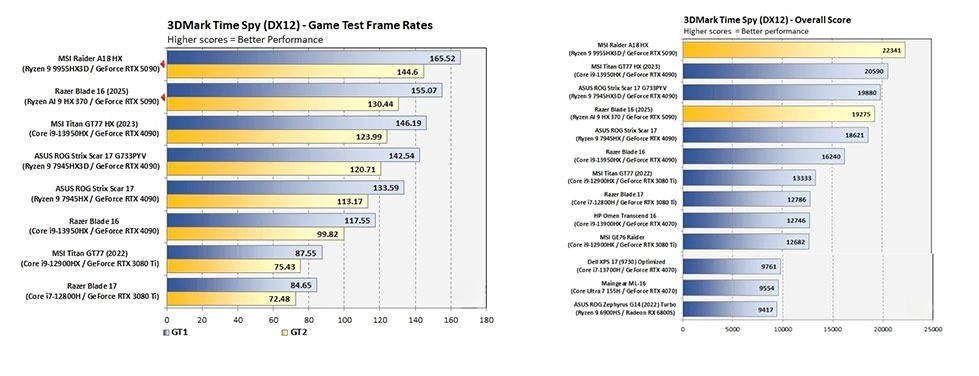

Best Graphics Cards For Gaming 2026 Onix BD Graphics Card Benchmark 1 . PowerColor Warns Of 2026 GPU Price Hike Urges Buyers To Upgrade Before AMD RADEON PRICE HIKE 2026 POWERCOLOR . Best Graphics Card Softwares In 2026 Graphics Card Benchmark Scores . Best Graphics Card 2026 Top GPUs For Gaming AI Value Best Graphics Card 2026 . 2026 GPU Prices Going Up Best Graphics Card To Buy Now Best GPU



Best GPU 2026 Nvidia And AMD Graphics Cards Tested Club386 Amd Radeon Rx 9070 Xt Review Benchmarks Gaming Ac Mirage Qhd 853x1200 . Absurd GPU Pricing Update Q1 2026 Edition TechSpot 2026 02 16 Image 9 . Ultimate GPU Tierlist 2026 YouTube . SET 2026 Test 2 Admit Card Out Exam On May 12 News Feature Image 1200x675 Px 76 . PC Games Hardware Tests 180 GPUs From 2009 2025 RTX 5090 2477 Faster RADEON GEFORCE 2006 2025 GPU TEST HERO 3 2000x1040





SET 2026 Test 02 Admit Card OUT Direct Link How To Download Set Test Org . NML Computer Based Test Admit Card 2026 Released Copy Of Copy Of NTPC 20260302 211600 0000 . XAT 2026 Mock Test 2 Schedule Out Register By Oct 26 XAT 2026 Mock Test 2.webp. NID 2026 B Des In Person Sensitivity Test Admit Card Out Download Now Nid 2026 Bdes In Person Sensitivity Test Admit Card Out . NID DAT Mains 2026 Admit Card Released For M Des Studio Test Nid Dat Mains 2026 Admit Card Released For Mdes Studio Test 10023 Logo



NTA CMAT 2026 Score Card 2026 OUT Direct Download Link Release ChatGPT Image Feb 18 2026 03 47 16 PM.webp. GATE 2026 Admit Card Released Direct Download Link GATE Admit Card 2026.webp. JEST Admit Card 2026 OUT CHECK UPDATES DOWNLOAD NOW Jest Admit Card 2026 Out Check Updates Download Now 12818 Logo. NIFT 2026 Situation Test Admit Card Out Download Here Nift 2026 Situation Test Admit Card Out . GATE Admit Card 2026 Issued At Gate2026 Iitg Ac In Check Details Here GATE



GATE Score Card 2026 Out Gate2026 Iitg Ac In Check Marks Scorecard GATE Score Card 2026 . GATE 2026 Admit Card Postponed Release New Date Soon At Gate2026 Iitg GATE 2026 Admit Card Postponed 1024x576 . VITEEE Result 2026 Expected Release Date And How To Check Your Rank Viteee Result 2026 Expected Release Date And How To Check Your Rank Card.webp. TS Polycet 2026 Rank Card Link At Polycet Sbtet Telangana Gov In Ts Polycet Rank Card 2026 Link . UPSC NDA NA I Admit Card 2026 Out Download Link Exam Date Direct UPSC NDA NA I Admit Card 2026 Out - Download Link Exam Date Direct Check.webp



Admit Cards 2026 Sarkari Sahayta 1779593190 UPSC CSE 2026 Admit Card Banner . Check GATE 2026 Admit Card Release Date Download Link Step By Step Check GATE 2026 Admit Card Release 20260102 191831 0000 1536x864 . NEST 2026 Admit Card On May 18 Check Updates And Download Steps Nest 2026 Admit Card On May 18 Check Updates And Download Steps 16182 Logo. SET Admit Card 2026 Test 01 Today April 24 At Set Test Org News Banner Kapp . SSC Skill Test Admit Card 2026 Exam City Check Result SSC Skill Test Admit Card 2026 1024x576



Download BITSAT 2026 Admit Card Now Bitsat 2026 Admit Card Download. XAT 2026 Admit Card Anytime Soon Download Link Steps Xat 2026 Admit Card Anytime Soon Download Link Steps Check Details 6212 Logo.webp. TOP 5 Best Budget Graphics Cards 2026 The 300 Graphics Card That . JEE Main 2026 Admit Card Expected Soon Check Likely Release Dates Jee Main 2026 Admit Card Expected Soon Check Likely Release Dates 7204 Logo. Nvidia S RTX 2060 Graphics Card Shows Up In Benchmarks Almost As 1542929737 Rtx 2060